
Fresh fruits and vegetables are an important part of a healthy diet, but they can spoil quickly when stored incorrectly. Wilting leaves, soft fruits, mold, discoloration, and unpleasant smells are common signs that produce is no longer fresh. Proper storage can help maintain freshness, preserve texture, reduce food waste, and save money.
There is no single storage method that works for every fruit or vegetable. Some produce needs refrigeration, while others are better kept at room temperature. A few fruits also release natural gases that can make nearby vegetables ripen or spoil faster. Understanding these differences can make everyday food storage much easier.
Store Produce According to Its Needs
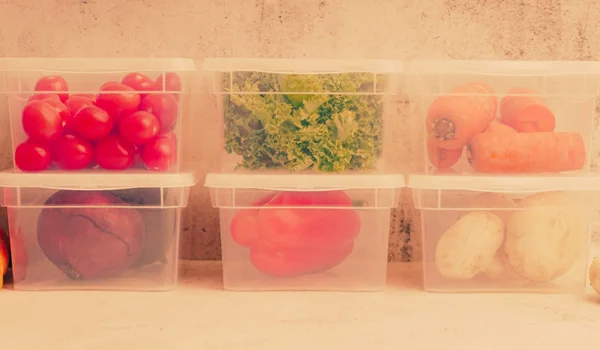
The first step is to understand whether a particular fruit or vegetable should be stored in the refrigerator or at room temperature.
Many leafy vegetables, carrots, beans, peas, broccoli, cauliflower, and similar produce generally stay fresh longer when refrigerated.
On the other hand, foods such as bananas, onions, garlic, potatoes, and some types of whole fruit are often better stored in a cool, dry, well-ventilated place rather than in the refrigerator.
Always consider the specific produce item because storage requirements can differ.
Do Not Wash Everything Immediately
Washing fruits and vegetables before storage may seem like a good way to save time, but excess moisture can encourage mold and spoilage for some produce.
Unless you plan to eat or prepare the produce soon, it is often better to keep it dry and wash it before use.
If you do wash vegetables before refrigeration, dry them thoroughly before storing them. Water trapped around leaves or inside containers can cause produce to deteriorate faster.
Keep Leafy Vegetables Dry
Leafy vegetables such as spinach, coriander, lettuce, and other greens can lose freshness quickly.
Remove damaged or yellow leaves and keep the healthy leaves as dry as possible. You can wrap them loosely in a clean paper towel or place them in a suitable container or bag that allows some moisture management.
Avoid crushing the leaves under heavy containers.
If the leaves become wet and remain tightly packed, they may develop mold or become slimy more quickly.
Store Potatoes, Onions, and Garlic Separately
Potatoes, onions, and garlic are commonly used together in cooking, but they do not necessarily benefit from being stored together.
Keep them in a cool, dry, well-ventilated area away from direct sunlight and excess moisture.
Avoid sealing them tightly in plastic bags because trapped moisture can encourage spoilage.
Potatoes can also develop green areas when exposed to light. Store them somewhere dark and check them regularly.
Keep Bananas Away From Some Other Produce
Bananas release ethylene, a natural plant hormone that can speed up ripening in certain fruits and vegetables.
If you want bananas to ripen slowly, keep them away from produce that is sensitive to ethylene.
If bananas are already ripe and you want to use them soon, storing them appropriately can help maintain their quality. The peel may darken during storage without necessarily meaning that the fruit inside has spoiled.
Use the condition of the fruit itself rather than the peel color alone to judge freshness.
Store Apples Carefully
Apples can also release ethylene, which may affect nearby produce.
If you want other fruits and vegetables to last longer, avoid placing large quantities of apples directly next to sensitive vegetables.
Refrigerating apples can help maintain their freshness for longer. Keep them in a suitable container or produce drawer and check periodically for damaged fruit.
One spoiled apple can affect the quality of nearby produce, so remove damaged pieces promptly.
Keep Berries Dry
Strawberries, blueberries, raspberries, and other berries are particularly delicate.
Moisture can encourage mold growth, so avoid washing berries until you are ready to eat them unless there is a specific reason to wash them earlier.
Remove berries that are already moldy or badly damaged so they do not affect the others.
Keep berries refrigerated and use them relatively quickly because they are highly perishable.
Store Tomatoes Properly
Whole tomatoes are often best kept at room temperature until they reach the desired level of ripeness.
Keep them away from direct sunlight and excessive heat. Once cut, tomatoes should be refrigerated in a suitable covered container.
Refrigeration can affect the texture and flavor of some tomatoes, so storing whole ripe tomatoes at room temperature for short-term use may be preferable.
Keep Carrots and Similar Vegetables Refrigerated
Carrots, beans, peas, broccoli, cauliflower, and similar vegetables generally benefit from refrigeration.
Remove unnecessary packaging and keep them in suitable produce bags or containers.
Do not allow excess water to collect around the vegetables. Moisture management is important because overly wet conditions can encourage decay.
If carrots become slightly soft but are otherwise in good condition, they may still be suitable for cooking.
Use the Refrigerator’s Produce Drawers
Many refrigerators have dedicated produce drawers designed to help maintain appropriate humidity.
Use these drawers for fruits and vegetables that require refrigeration. Avoid packing them so tightly that air cannot circulate.
If your refrigerator has separate drawers for different types of produce, follow the manufacturer’s recommendations.
Regularly clean the drawers and remove spoiled produce.
Keep Cut Fruits and Vegetables Refrigerated
Once a fruit or vegetable has been cut, its storage requirements change.
Cut produce should generally be placed in a clean, covered container and refrigerated promptly.
Use clean knives and cutting boards when preparing fruits and vegetables. Avoid placing cut produce on surfaces that have been used for raw meat or other potentially contaminated ingredients without proper cleaning.
Try to consume cut produce sooner than whole produce because cutting exposes more of the food to air, moisture, and microorganisms.
Remove Spoiled Produce Quickly
Regular inspection can make a major difference.
Check your refrigerator and fruit basket every few days for mold, excessive softness, unusual smells, leaking juice, or other obvious signs of deterioration.
Remove spoiled pieces promptly. Mold and decay can spread to nearby produce, particularly when items are touching each other.
Do not eat fruits or vegetables that are clearly moldy or badly spoiled simply by cutting away a small visible section, especially when the produce is soft or moist.
Do Not Overcrowd Storage Areas
Overcrowding can damage fruits and vegetables and restrict air circulation.
Avoid piling delicate fruits under heavy items. Keep produce arranged so you can easily see what you have.
Good organization also makes it easier to use older produce before buying or opening new items.
A simple “first in, first out” approach can help reduce waste.
Use the Right Containers
Storage containers should match the type of produce.
Some vegetables benefit from breathable produce bags, while berries and cut vegetables may need clean containers that provide protection.
Avoid trapping excessive moisture inside completely sealed containers when the produce is still wet.
Paper towels can sometimes be useful for absorbing excess moisture from leafy vegetables and other delicate produce.
Keep Fruits and Vegetables Away From Raw Foods
Raw meat, chicken, seafood, and other potentially contaminated foods should be kept separate from fresh produce.
Raw food juices can contaminate fruits and vegetables, particularly those that will be eaten without cooking.
Store raw animal products in sealed containers and place them where they cannot leak onto other foods.
Wash hands, knives, cutting boards, and countertops properly after handling raw foods.
Plan Your Shopping
Proper storage starts before the food enters your kitchen.
Buy quantities that your household can reasonably consume. If you regularly throw away certain fruits or vegetables, consider purchasing smaller amounts more frequently.
Choose produce that is appropriate for when you plan to eat it. For example, you can buy some items at different stages of ripeness so that everything does not become ready at the same time.
Freeze Produce When Appropriate
Freezing can be useful when you have more fruits or vegetables than you can consume while fresh.
Some vegetables are best blanched before freezing to help preserve quality. Fruits can often be prepared in suitable portions and frozen for later use.
Frozen produce can be useful for smoothies, soups, curries, sauces, and other cooked dishes.
Always use appropriate freezer-safe containers or bags and label them with the date.
Final Thoughts
Keeping fruits and vegetables fresh for longer is mainly about using the right storage method for each type of produce. Refrigerate vegetables that need cold storage, keep potatoes, onions, and garlic in a cool and dry place, protect delicate berries from excess moisture, and store cut produce in clean covered containers.
Regularly check your refrigerator and remove spoiled items quickly. Avoid washing produce too far in advance if excess moisture could cause faster deterioration, and keep fresh produce away from raw foods.
With a little organization and attention to temperature, moisture, airflow, and ripeness, you can extend the useful life of your fruits and vegetables, reduce food waste, and get better value from every grocery trip.
 admin