
Keeping chapati soft for several hours can be difficult, especially when it is prepared in the morning and eaten later in the day. Chapati may become dry, hard, chewy, or brittle as it cools.
The good news is that softness depends on several simple factors, including the type of flour, dough consistency, resting time, cooking temperature, and storage method. With the right approach, you can keep chapati soft and fresh for much longer.
Why Does Chapati Become Hard After Cooking?
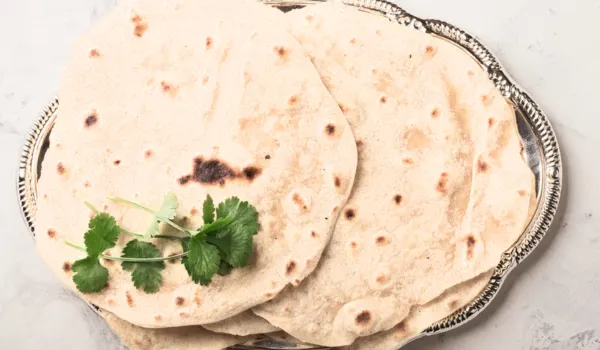
Chapati loses softness mainly because moisture gradually escapes after cooking. As the chapati cools, changes in the starch structure can also make it firmer.
Common reasons include:
- Dough is too dry.
- Too much dry flour is used while rolling.
- Dough is not rested properly.
- Chapati is cooked for too long.
- Tawa temperature is incorrect.
- Chapati is left exposed to air.
- Cooked chapati is stored without proper covering.
- Too much flour is used during kneading or rolling.
Understanding these causes makes it easier to keep chapati soft throughout the day.
- Use the Right Amount of Water
The dough should be soft and pliable rather than stiff.
Add water gradually while kneading the atta. The exact amount varies depending on the flour, so avoid following a fixed water measurement blindly.
A soft dough generally produces softer chapati than a very firm dough.
What if the dough is too dry?
If the dough feels hard or cracks while kneading, add a little water and knead again. Allow it to rest before making chapati.
- Knead the Dough Properly
Good kneading helps develop a smooth and flexible dough.
Knead the atta until it becomes soft and reasonably smooth. If the dough feels rough or dry, add small amounts of water rather than adding a lot at once.
A little oil can also be added to the dough if you prefer, although properly hydrated and kneaded dough is the more important factor.
- Let the Dough Rest
Resting the dough is an often-overlooked step.
After kneading, cover the dough and allow it to rest for around 15–30 minutes before rolling. This gives the flour time to hydrate and makes the dough easier to roll.
Well-rested dough can help produce chapati with a softer texture.
- Don’t Use Too Much Dry Flour
While rolling chapati, many people repeatedly coat the dough with dry atta to prevent sticking.
However, excessive dry flour can contribute to a dry surface and may also burn on the tawa.
Use only enough flour to prevent sticking and roll the chapati gently.
- Roll the Chapati Evenly
Uneven thickness can cause some parts of the chapati to become overcooked while other parts remain undercooked.
Try to roll the chapati evenly from the centre toward the edges.
A reasonably uniform chapati is easier to cook without drying out.
- Cook It at the Right Temperature
The tawa should be properly heated before you start cooking.
If the tawa is too cold, the chapati may take longer to cook and can become dry. If it is excessively hot, the outside may cook or burn too quickly.
A properly heated tawa allows the chapati to cook relatively quickly while retaining moisture.
- Avoid Overcooking
Overcooking is one of the biggest reasons chapati becomes hard.
Once the chapati is cooked properly and develops the expected spots or puffs, remove it from the tawa rather than continuing to cook it unnecessarily.
Long cooking can drive out more moisture.
- Store Chapati Immediately After Cooking
Do not leave freshly cooked chapati uncovered on a plate for a long time.
Place them inside a clean, covered container or insulated chapati box soon after cooking. Keeping them covered reduces moisture loss and protects them from dry air.
A traditional insulated casserole can be useful when chapati needs to remain warm for several hours.
- Use a Cotton Cloth
A clean cotton cloth can help retain moisture while preventing the chapati from sitting directly against a surface that traps excessive condensation.
You can place the chapati inside a clean cloth and then keep it in a covered container.
Make sure the cloth is clean and dry.
- Add a Small Amount of Ghee
Applying a small amount of ghee to freshly cooked chapati can improve its texture and flavour.
It can also reduce the perception of dryness as the chapati cools.
You do not need to use a large quantity. A light coating is usually sufficient.
If you are trying to reduce added fat, you can skip this step and focus on proper dough hydration and storage.
- Don’t Stack Extremely Hot Chapati for Too Long
Stacking chapati helps retain warmth, but placing very hot chapati into a completely sealed container can create condensation.
Excess moisture can make the chapati damp rather than pleasantly soft.
A covered container that retains warmth without excessive condensation is preferable.
Best Way to Store Chapati for the Whole Day
If chapati needs to remain soft for lunch or dinner, follow this simple process:
- Prepare a soft, well-kneaded dough.
- Rest the dough for around 15–30 minutes.
- Roll chapati evenly without excessive dry flour.
- Cook them properly on a preheated tawa.
- Avoid overcooking.
- Apply a little ghee if desired.
- Stack the cooked chapati.
- Wrap them in a clean cotton cloth if appropriate.
- Place them in a covered or insulated container.
- Keep them away from direct air exposure.
How to Keep Chapati Soft in a Lunch Box
If you are packing chapati for work, school, or travel, allow them to cool slightly after cooking before packing.
Wrapping them in a clean cloth or using a suitable food container can help prevent them from drying out.
Avoid packing steaming-hot chapati into a completely airtight container immediately if it causes excessive condensation. Too much trapped moisture can make them wet and sticky.
How to Keep Chapati Soft Without Ghee
You can keep chapati soft without using ghee.
Focus on:
- Making soft dough.
- Using sufficient water.
- Resting the dough.
- Avoiding excessive dry flour.
- Cooking quickly and properly.
- Avoiding overcooking.
- Storing chapati in a covered container.
Ghee is optional; it is not the only factor responsible for soft chapati.
Why Does Chapati Become Hard Even When the Dough Is Soft?
If the dough is soft but the final chapati becomes hard, the problem may be related to cooking or storage.
Check these factors:
| Problem | Possible Reason |
| Chapati hard immediately | Dough may be too dry or chapati overcooked |
| Soft initially but hard later | Moisture loss during cooling |
| Edges become hard | Uneven rolling or overcooking |
| Chapati becomes chewy | Incorrect cooking temperature or excess cooking |
| Chapati becomes wet | Too much condensation in the container |
| Chapati dries in lunch box | Poor covering or prolonged exposure to air |
Can Milk Make Chapati Softer?
Some people add milk to chapati dough to produce a softer texture. It can change the texture, but it is not necessary for making soft chapati.
For everyday chapati, properly hydrated atta, adequate kneading, resting, and correct cooking are generally sufficient.
If milk is used, the dough and cooked chapati should still be handled hygienically and stored appropriately.
How to Make Chapati Soft Again After It Becomes Hard
If chapati has already become slightly hard, gentle reheating can improve its texture.
You can:
- Sprinkle a few drops of water on the chapati.
- Heat it briefly on a tawa.
- Keep it covered for a short time.
- Add a small amount of ghee if desired.
Avoid heating it for too long because this can make it even drier.
Common Mistakes That Make Chapati Hard
Using Too Little Water
Dry dough generally produces dry chapati.
Skipping the Resting Period
Immediately using freshly kneaded dough can make rolling and cooking less effective.
Using Excessive Dry Flour
Too much flour during rolling can contribute to a dry surface.
Cooking on a Cold Tawa
The chapati may take longer to cook and lose more moisture.
Overcooking
Keeping chapati on the tawa for too long is a common cause of hardness.
Leaving Chapati Uncovered
Air exposure allows moisture to escape quickly.
Using an Overheated Tawa
Excessive heat can burn the surface before the chapati cooks properly.
Frequently Asked Questions
How can I keep chapati soft for 8–10 hours?
Use properly hydrated and rested dough, avoid overcooking, and store the cooked chapati in a suitable covered or insulated container. The exact texture after many hours will depend on the recipe, flour, cooking and storage conditions.
Should chapati be stored in the refrigerator?
If you are planning to eat freshly made chapati later the same day, refrigeration is generally not necessary if it can be kept safely for the intended period. For longer storage, refrigeration or freezing is more appropriate.
Why does my chapati become hard after cooling?
Cooling allows moisture to redistribute and gradually escape, while changes in the starch structure can make chapati firmer. Proper dough hydration, cooking and storage can reduce this effect.
Does adding oil make chapati soft?
A small amount of oil can affect texture, but soft chapati depends more importantly on proper hydration, kneading, resting, cooking and storage.
Is it better to store chapati in foil or a container?
Both can be used, but a clean food-safe container is generally convenient for repeated storage. The key is to prevent excessive moisture loss while avoiding excessive condensation.
Conclusion
To keep chapati soft throughout the day, focus on soft dough, adequate resting, even rolling, proper cooking and immediate covered storage. Avoid excessive dry flour and overcooking, as both can make chapati dry and hard.
If you are preparing chapati in advance, a clean covered or insulated container can help retain warmth and moisture while keeping the chapati ready to serve later.
 Gaurav Sharma