
Storing cooked food properly in the refrigerator is an important part of maintaining food safety at home. Cooked meals can become unsafe if they are left at room temperature for too long or stored incorrectly. Bacteria can multiply quickly in certain temperature conditions, even when the food does not look or smell spoiled. Proper refrigeration helps slow bacterial growth and keeps food fresh for longer.
Whether you are storing leftover rice, dal, vegetables, meat, curry, pasta, or homemade meals, following a few simple storage practices can reduce food waste and help protect your family from foodborne illness.
Why Proper Storage of Cooked Food Is Important
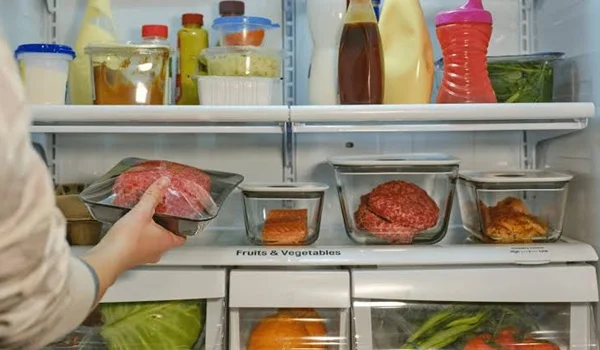
Cooked food contains moisture and nutrients that can support the growth of bacteria. When food stays at room temperature for several hours, harmful microorganisms may multiply.
Refrigeration slows this process by keeping food at a low temperature. However, simply putting hot or leftover food inside the refrigerator is not enough. The way food is cooled, packed, placed, and consumed also matters.
Safe food storage can help maintain taste and texture while reducing the risk of stomach infections and food poisoning.
Do Not Leave Cooked Food Outside for Too Long
One of the most important rules is to avoid keeping cooked food at room temperature for extended periods.
After cooking or serving a meal, leftovers should generally be refrigerated within two hours. In very hot conditions, especially when the room temperature is high, food should be refrigerated sooner.
Do not wait until the food has completely cooled to room temperature for several hours. Long exposure to room temperature can allow bacteria to multiply.
If you have prepared a large quantity of food, divide it into smaller portions so that it cools more quickly and can be refrigerated safely.
Allow Food to Cool Safely
There is a common belief that hot food should always be left outside until it becomes completely cold before placing it in the refrigerator. This can actually increase the time the food spends at unsafe temperatures.
Instead, divide large quantities into shallow containers. Smaller portions release heat more efficiently than a deep, large container.
For very hot food, allow it to stop steaming heavily for a short period and then refrigerate it in suitable portions. Avoid leaving cooked food outside for several hours simply because it is still warm.
Use Clean and Suitable Containers
Always store cooked food in clean containers with properly fitting lids. Containers should be suitable for food storage and should not contain leftover residue from previous meals.
A covered container helps prevent contamination from other foods, spills, dust, and odors inside the refrigerator.
Glass, stainless steel, and good-quality food-safe plastic containers can be useful for refrigerator storage. Make sure the container is appropriate for the type of food being stored.
Do not overcrowd containers. Leave enough space for the food to be stored properly and for the lid to close securely.
Label Leftovers With the Date
When several containers are stored in the refrigerator, it can become difficult to remember when each meal was prepared.
A simple solution is to write the preparation or storage date on the container. This is particularly helpful when storing food for more than one day.
Use older food before newer food whenever possible. If you are unsure how long a particular cooked food has been stored, it is safer not to eat it.
Remember that appearance and smell alone cannot always tell you whether food is safe.
Keep the Refrigerator at a Safe Temperature
The refrigerator should be kept cold enough to slow the growth of harmful bacteria. A refrigerator temperature of about 4°C or below is generally recommended for perishable foods.
Use a refrigerator thermometer if the appliance does not display its internal temperature accurately.
Avoid frequently leaving the refrigerator door open for long periods. Repeated opening can allow the internal temperature to rise.
Also, do not pack the refrigerator so tightly that cold air cannot circulate properly.
Store Different Foods Carefully
Different types of cooked food may need slightly different storage practices.
Cooked rice and other grains should be refrigerated promptly after cooking. Rice that is left at room temperature for too long can support the growth of certain bacteria.
Curries, dal, cooked vegetables, soups, and gravies should also be stored in covered containers and refrigerated promptly.
Cooked meat, chicken, fish, and eggs require particular care because they are perishable foods. Keep them properly covered and, when possible, separate them from ready-to-eat foods.
If raw meat or seafood is also stored in the refrigerator, keep it securely covered and positioned so that its juices cannot drip onto cooked food.
Do Not Store Food in an Overfilled Refrigerator
An overcrowded refrigerator may not cool food evenly. Cold air needs room to circulate around stored containers.
Organize the refrigerator so that containers are not blocking important air vents. Keep food covered and avoid stacking containers in a way that prevents proper cooling.
Regularly check the refrigerator for old leftovers and spoiled food. Cleaning spills promptly can also help maintain good hygiene.
Reheat Leftovers Properly
Safe storage is only one part of preventing food-related illness. Leftovers should also be reheated properly before eating.
When reheating food, make sure it becomes hot throughout. Stir foods such as curries, soups, and gravies so that heat is distributed evenly.
If using a microwave, food may develop hot and cold spots. Stirring and allowing the food to stand briefly after heating can help distribute the heat.
Only reheat the amount you plan to eat. Repeatedly heating and cooling the same food can affect its quality and increase opportunities for contamination.
Avoid Keeping Leftovers for Too Long
Refrigeration does not make food safe indefinitely. It only slows bacterial growth.
As a general household practice, many cooked leftovers are best consumed within a few days when kept properly refrigerated. However, the safe storage period can vary depending on the food, preparation method, refrigerator temperature, and handling.
When there is uncertainty, follow reliable food-safety guidance for the specific food. If food has been left out too long, stored improperly, or shows clear signs of spoilage, discard it.
Do not taste questionable food simply to check whether it is safe.
Be Careful With Food for Children and Older Adults
Young children, older adults, pregnant women, and people with weakened immune systems can be more vulnerable to foodborne infections.
For these groups, extra attention should be given to refrigeration, storage containers, reheating, and leftover storage times.
Food prepared for children should be handled with clean utensils and stored promptly. Avoid serving food that has been sitting outside for an extended period.
Common Mistakes to Avoid
Several everyday habits can make refrigerator food storage less safe.
Do not leave cooked food on the kitchen counter overnight. Do not put uncovered food directly into the refrigerator. Avoid using dirty containers or utensils when transferring leftovers.
Do not rely only on smell or appearance to determine safety. Also avoid repeatedly taking a large container out of the refrigerator, serving some food, and leaving the remaining portion at room temperature for a long time.
Instead, divide leftovers into smaller portions before storage.
Final Tips for Safe Refrigerator Storage
Safe storage of cooked food does not require complicated equipment. The most important habits are simple: refrigerate leftovers promptly, use clean covered containers, keep the refrigerator sufficiently cold, label stored food when useful, separate raw and cooked foods, and reheat leftovers thoroughly.
Good refrigerator habits can help reduce food waste while protecting your family from avoidable foodborne illness. When you are uncertain about the safety of a leftover meal, it is better to discard it rather than take a risk. Proper storage from the moment food is cooked can make everyday meals safer, fresher, and easier to manage.
 admin