
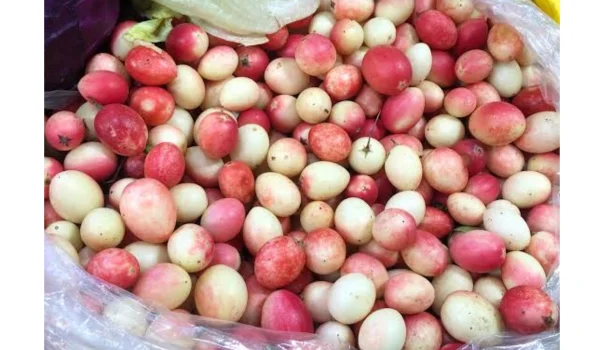
Some dishes call for something on the side. Karonda fruit is especially good for this. These small berries pack a good deal of sourness, and that is what makes them so delightful when spiced up.
Karonda has been used extensively in Indian cuisine for many years, especially in pickle and chutney preparations. The recipes may differ from kitchen to kitchen, but the concept itself is very simple. Just take the sour berries and mix some spices with them.
Why Karonda Makes A Great Pickle
Fresh karonda is firm and naturally sour. It has enough character to stand up to spices like mustard oil and green chillies.
The fenugreek gives a bitter, earthy flavour and mustard seeds provide the tangy flavour. Then we have the colour from turmeric and the heat from the chillies. All these ingredients don’t necessarily need to be used in large quantities.
A Homemade Pickle Worth Waiting For
Begin by washing the berries thoroughly. Next comes the not-so-exciting but essential part of drying the berries thoroughly before mixing them with the rest of the ingredients.
Now, de-stem the berries and make slits in them. Fenugreek leaves should be toasted and ground to a coarse consistency. Add mustard seeds, turmeric, chilli powder and salt to it.
Heat up some mustard oil till it starts to release its aroma. Leave it for a bit and pour the hot oil over the berries. Add some sliced green chillies and stir it all up.
Place it all in a dry, clean glass bottle. Then wait. Allow the pickle a few days’ time so the berries can take in the flavours of the spices. The taste evolves through the process and gets more intense.
A Quick Chutney For Busy Days
Not every recipe needs to involve a jar sitting patiently in the cupboard. For times when you need it faster, chutney recipes come in handy.
Chop the berries and cook them using green chillies, salt, and roasted cumin seeds. You can also add some jaggery towards the end of the cooking process to bring down the spicy effect without losing the tangy flavour.
Once the berries have softened, mash them with the back of a spoon. Keeping a little texture is perfectly fine. Serve the chutney with parathas, dal and rice, rotis or curd rice.
Finding Fresh Karonda And Pantry Staples
While purchasing karonda fruit, you should select those which are fresh and firm. If the karonda berries appear to be severely bruised and soft, you should avoid using them.
The rest of the ingredients are most commonly used in Indian kitchens. Mustard oil, cumin, fenugreek, turmeric, salt, jaggery and green chillies are useful for plenty of other recipes too.
An online kirana store near me can be handy when there is no time for a separate grocery run. It is particularly useful when a recipe needs several small ingredients rather than one big shop.
Keeping a few basics stocked also means there is less chance of abandoning a recipe halfway through because the fenugreek is nowhere to be found in the spice box. An online kirana store near me makes topping up those everyday essentials fairly straightforward.
There Is No Need To Follow It To The Letter
Traditional recipes are rarely identical in every household. One family may like its pickle fiery, while another may prefer more of the natural sourness. Some cooks add extra jaggery to their chutney. Others would not dream of it.
It is that freedom which makes home-cooked meals delicious. An online kirana store could help ensure that the basic ingredients remain accessible, but the exact recipe can always be modified according to personal preferences.
A Tangy Twist to Everyday Meals
A good pickle need not be very difficult. Karonda fruit is already the main ingredient for its natural sour taste. The spices only make it more delicious. Whether you preserve them as pickles or make chutney out of them, the end result is the same – something which makes any normal Indian dish unique.
 Gaurav Sharma