
Knowing whether food is still safe to eat is an important part of preventing food poisoning and reducing unnecessary food waste. Sometimes spoiled food has an obvious bad smell, unusual appearance, or strange texture. However, harmful bacteria can also grow without changing the smell, taste, or appearance of food. This means you should not rely on one sign alone when deciding whether something is safe to eat.
Checking how the food was stored, how long it has been kept, and whether there are visible or sensory changes can help you make a safer decision.
Check How Long the Food Has Been Stored
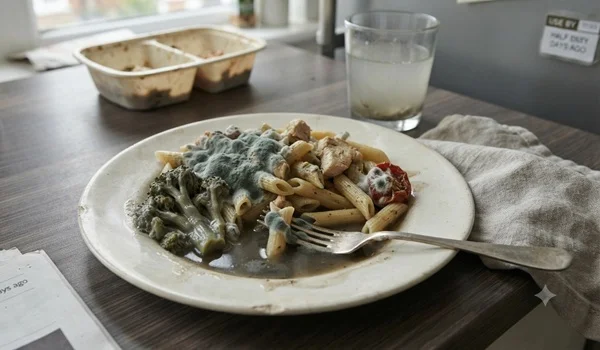
The first thing to consider is how long the food has been sitting out or stored in the refrigerator.
Cooked food, dairy products, meat, seafood, and other perishable foods can become unsafe if they are kept at unsuitable temperatures for too long. Refrigeration slows bacterial growth but does not stop it completely.
If you cannot remember when the food was prepared or stored, be cautious. Food that has been left at room temperature for an extended period should not be eaten simply because it still looks normal.
When storing leftovers, writing the date on the container can make it easier to keep track of their age.
Look for Changes in Appearance
Visible changes can sometimes indicate that food has spoiled.
Check for unusual discoloration, mold, slimy surfaces, unexpected spots, or changes that were not present when the food was fresh.
Mold may appear as green, white, black, blue, or fuzzy patches. If mold is visible on soft foods such as cooked meals, bread, soft fruits, yogurt, or similar products, it is generally safer to discard the food rather than simply removing the visible portion.
Some foods naturally change color during storage, so discoloration does not automatically mean spoilage. Consider the type of food and how it normally looks.
Pay Attention to Unusual Smells
A strong, sour, rotten, fermented, or otherwise unusual smell can be a warning sign.
For example, spoiled milk may develop a sour smell, while spoiled meat may have an unpleasant or unusual odor. Leftover dishes can also develop smells that were not present when they were freshly prepared.
If food smells noticeably different from what you would normally expect, do not eat it just to see whether the taste is still acceptable.
However, remember that the absence of a bad smell does not prove that food is safe.
Check the Texture
Texture can provide another clue.
Food that has become unusually slimy, sticky, mushy, or watery may have deteriorated. Fresh vegetables may become excessively soft, while cooked meat can develop a slippery surface when spoiled.
Changes in texture should be considered together with storage time and other signs.
Some normal food changes can also affect texture. For example, refrigerated rice or pasta may become firmer, and some sauces may thicken. These changes do not necessarily mean the food has spoiled.
Look for Mold
Mold is one of the easiest visible signs of food deterioration.
If you notice mold on a soft or moist food, do not assume that removing the affected part makes the entire food safe. Mold can extend below the visible surface.
Some hard foods may sometimes be handled differently according to food-safety guidance, but for many soft, moist, or cooked foods, discarding the entire item is the safer approach.
Do not deliberately smell moldy food closely because mold spores can become airborne.
Check Dairy Products Carefully
Milk, cream, yogurt, cheese, and other dairy products can spoil when stored improperly or for too long.
Look for an unusual smell, curdling that is not normal for the product, unusual texture, mold, or a swollen package.
Some dairy foods are naturally sour or fermented, so you need to understand what is normal for the specific product.
If a dairy product has been left unrefrigerated for too long, its appearance alone should not be used to determine whether it is safe.
Be Careful With Meat, Chicken, Fish, and Eggs
Animal-based foods can support the growth of harmful bacteria when handled or stored incorrectly.
Fresh meat, chicken, and fish should not have an unusually strong unpleasant odor or a clearly abnormal slimy surface. However, harmful bacteria may be present even when these foods look and smell normal.
Therefore, proper refrigeration, handling, cooking, and storage time are just as important as checking appearance.
Eggs should also be stored appropriately and handled hygienically. Cracked, dirty, or improperly stored eggs require extra caution.
Do Not Taste Food to Test It
One of the most important food-safety rules is that you should not taste questionable food to find out whether it has gone bad.
Even a small taste may expose you to harmful microorganisms or toxins. Food can contain dangerous bacteria without having an obvious unpleasant taste.
If food has been stored incorrectly or shows several warning signs, throwing it away is safer than tasting it.
Check the Packaging
Packaged foods can sometimes show signs that something has gone wrong.
Look for leaking containers, broken seals, swollen cans, damaged packaging, unusual bulging, or unexpected gas buildup.
A swollen or badly damaged food package can be a warning sign of microbial activity or other problems. Such food should not be opened casually or tasted.
Always check the product’s storage instructions and use-by information when available.
Understand the Difference Between Quality and Safety
Not every change means that food is dangerous.
Food can sometimes become stale, dry, discolored, or less flavorful while still being safe to eat. These are often quality issues rather than immediate safety problems.
For example, refrigerated food may lose some texture or flavor over time. Frozen food can develop freezer burn, which mainly affects quality.
On the other hand, foods that have been stored at unsafe temperatures can become hazardous even when they appear perfectly normal.
When in Doubt, Consider the Storage History
Storage history is one of the most important factors.
Ask yourself:
- Was the food refrigerated promptly?
- Has it been kept continuously cold?
- Was it stored in a clean, covered container?
- Has it been exposed to room temperature for a long time?
- Do you know when it was prepared?
- Has it been repeatedly taken out and put back in the refrigerator?
If you cannot answer these questions confidently, especially for highly perishable foods, it is safer to avoid eating the food.
Do Not Rely Only on the Expiry Date
Dates printed on food packaging can provide useful information, but they should be understood correctly. Different types of date labels can refer to quality, recommended use, or safety depending on the product and local regulations.
Proper storage conditions remain important. Food that has been stored incorrectly can become unsafe before the printed date.
Similarly, a food product that is past a quality-related date is not automatically spoiled. Follow the label instructions and consider the food’s storage history.
Prevent Food From Going Bad
The best way to identify spoiled food is to prevent spoilage in the first place.
Keep refrigerators sufficiently cold, store cooked food promptly, use clean containers, keep raw and cooked foods separate, and avoid leaving perishable food at room temperature for long periods.
Organize the refrigerator so older food is used first. Label leftovers with preparation or storage dates and regularly remove food that is clearly spoiled.
Final Thoughts
There is no single smell, color, or texture test that can guarantee food is safe to eat. Some spoiled foods show obvious warning signs, while harmful microorganisms may be present without causing any noticeable change.
Before eating leftovers or other perishable foods, consider their storage history, appearance, smell, texture, packaging, and age. Never taste questionable food as a test. When there is significant uncertainty about whether food has been stored safely, discarding it is the safer choice.
Good food-storage habits combined with careful inspection can help protect your health while reducing avoidable food waste.
 admin