
Cutting vegetables in advance can save a lot of time, especially when preparing meals for a busy week. However, cut vegetables often lose their freshness quickly. They may become dry, watery, slimy, discoloured, or develop an unpleasant smell if they are not stored properly.
The good news is that proper cleaning, drying, packaging, temperature control, and choosing the right storage method can significantly extend their freshness. This guide explains how to store different types of cut vegetables and what common mistakes to avoid.
Why Do Cut Vegetables Lose Freshness?
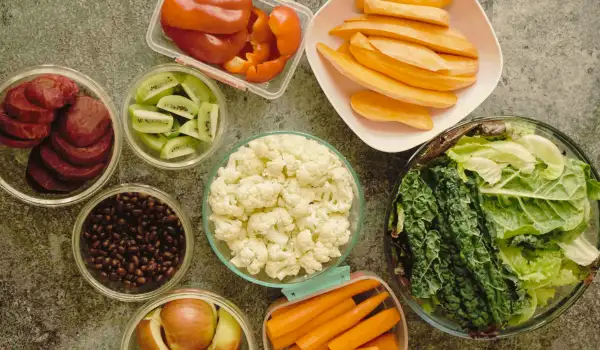
Once a vegetable is cut, its internal tissues are exposed to air and moisture. This speeds up several processes that affect quality.
Common reasons include:
- Exposure to oxygen can cause browning and discoloration.
- Excess moisture can encourage microbial growth.
- Dry air inside the refrigerator can make vegetables lose water.
- Improper containers can allow vegetables to absorb odours.
- Washing and storing vegetables while they are still wet can make them spoil faster.
- Some vegetables naturally release more moisture or gases than others.
Therefore, simply putting all cut vegetables together in a plastic bag is not the best storage method.
How to Store Cut Vegetables Properly
- Wash Vegetables Before Cutting
Wash vegetables under clean running water before cutting them. This helps remove visible dirt and other contaminants from the surface.
For vegetables that will be stored after cutting, avoid leaving them submerged in water for long periods unless a particular preparation requires it.
- Dry Them Thoroughly
This is one of the most important steps.
After washing, drain the vegetables and remove excess moisture using a clean kitchen towel or paper towel. Vegetables should be reasonably dry before being packed for refrigeration.
Excess water trapped inside a closed container can make vegetables soggy and may accelerate spoilage.
- Use Airtight or Suitable Containers
Store cut vegetables in clean, food-safe containers with properly fitting lids.
For vegetables that tend to release moisture, place a dry paper towel inside the container to absorb condensation. Replace the towel if it becomes wet.
Avoid completely packing vegetables into an overcrowded container because poor air circulation can increase moisture buildup.
- Keep the Refrigerator Cold
Cut vegetables should generally be refrigerated rather than kept at room temperature for extended periods.
Keep your refrigerator at a safe cold temperature, ideally around 4°C (40°F) or below. Avoid storing vegetables in the refrigerator door because temperatures there can fluctuate more than in the main compartment.
- Store Different Vegetables Separately
Not every vegetable has the same storage requirements.
For example, chopped onions can have a strong smell that may transfer to other foods. Vegetables that release a lot of moisture can also affect vegetables that need a drier environment.
Using separate containers or storage bags can help maintain quality.
Best Storage Methods for Common Cut Vegetables
| Vegetable | Recommended Storage Method | General Tip |
| Carrot | Airtight container | Keep dry |
| Capsicum | Airtight container | Avoid excess moisture |
| Beans | Container or reusable bag | Dry thoroughly |
| Cabbage | Airtight container | Keep cut surfaces covered |
| Cauliflower | Airtight container | Avoid storing wet |
| Broccoli | Container with slight ventilation | Do not soak before storage |
| Onion | Sealed container | Helps prevent odour transfer |
| Potato | Prefer cutting shortly before cooking | Water can be used temporarily for some preparations |
| Cucumber | Airtight container | Excess moisture can make it soft |
| Tomato | Prefer storing whole | Cut tomatoes should be refrigerated |
| Spinach | Container lined with paper towel | Remove excess moisture |
| Coriander | Container with paper towel | Keep leaves dry |
How to Store Cut Carrots
Cut carrots generally store well when kept dry and refrigerated.
After washing and cutting them, dry them thoroughly and place them in an airtight container. A paper towel can help absorb excess moisture.
If you notice condensation inside the container, wipe it out and replace the paper towel.
How to Store Cut Capsicum
Cut capsicum can become soft when exposed to excess moisture.
Remove the seeds and cut the capsicum according to how you plan to use it. Dry the pieces before storing them in a clean airtight container.
Avoid washing the pieces again immediately before storage unless necessary.
How to Store Cut Onions
Cut onions should be kept in a tightly sealed container because their strong smell can spread throughout the refrigerator.
Keeping them separately also helps prevent their odour from being absorbed by other foods.
For the best quality, use refrigerated cut onions within a reasonable period rather than storing them indefinitely.
How to Store Cut Potatoes
Potatoes are different from many other vegetables because their cut surfaces can discolor quickly when exposed to air.
If you need to prepare potatoes ahead of cooking, keeping cut pieces submerged in clean cold water for a short period can help reduce discoloration. However, they should then be drained and handled safely before cooking.
For longer storage, it is generally better to cut potatoes closer to the time they will be cooked.
How to Store Cut Tomatoes
Tomatoes can become soft and watery after cutting. Because of this, it is usually better to keep tomatoes whole until they are needed.
Once cut, place them in a clean covered container and refrigerate them.
Use cut tomatoes relatively quickly for better taste and texture.
How to Store Leafy Vegetables After Cutting
Leafy vegetables such as spinach can spoil quickly if excess moisture remains on their leaves.
After washing, drain them properly and remove excess water. Place them in a container lined with a clean paper towel and refrigerate.
If the paper towel becomes very wet, replace it.
Should You Wash Cut Vegetables Before Storing Them?
It depends on the vegetable and how you plan to use it.
Washing before cutting is generally useful because it prevents dirt from being transferred from the surface into the cut portions.
However, storing vegetables while they are soaking wet can reduce their storage life. Therefore, if you wash them before storage, dry them thoroughly before putting them into the refrigerator.
For some vegetables, washing immediately before use may be more practical.
Can You Store Cut Vegetables in Plastic Bags?
Yes, food-safe reusable or disposable bags can be used, but they should be suitable for food storage.
The important thing is to avoid trapping excessive moisture. For vegetables that become wet easily, a paper towel can help absorb condensation.
Do not use damaged, dirty, or unsuitable plastic bags for food storage.
Common Mistakes to Avoid
Storing Vegetables While They Are Wet
Water trapped inside a sealed container can increase moisture and make vegetables deteriorate faster.
Overcrowding the Container
Packing too many vegetables into one container can increase condensation and damage delicate pieces.
Keeping Cut Vegetables at Room Temperature for Too Long
Cut vegetables are more perishable than intact vegetables. Refrigerate them promptly when they require refrigeration.
Mixing Different Vegetables Together
Different vegetables produce different amounts of moisture and may have different storage requirements. Separate containers are often better.
Keeping Spoiled Pieces With Fresh Vegetables
One soft, slimy, mouldy, or visibly spoiled piece can affect the quality of the rest. Check stored vegetables regularly and discard anything showing signs of spoilage.
How Long Can Cut Vegetables Stay Fresh?
There is no single storage period that applies to every vegetable. Freshness depends on the type of vegetable, how fresh it was when cut, temperature, moisture, cleanliness, and storage method.
As a general rule, cut vegetables should be used relatively quickly and checked before cooking.
If vegetables develop mould, a strong unpleasant smell, unusual sliminess, or significant deterioration, it is safer to discard them rather than trying to remove only the affected portion.
Can Cut Vegetables Be Frozen?
Yes, many vegetables can be frozen, particularly when they are intended for cooked dishes.
However, some vegetables do not retain their original texture after freezing and thawing. Vegetables such as carrots, beans, peas, broccoli, and cauliflower are commonly prepared for freezing by blanching first.
Blanching involves briefly heating vegetables and then cooling them rapidly. This can help preserve quality during frozen storage.
Tips to Keep Cut Vegetables Fresh for Longer
- Use fresh vegetables before cutting.
- Wash them properly and remove excess water.
- Use clean knives, cutting boards, and containers.
- Store vegetables in the refrigerator when appropriate.
- Use separate containers for strong-smelling vegetables.
- Avoid excessive moisture inside containers.
- Do not overcrowd storage containers.
- Check stored vegetables regularly.
- Cut vegetables closer to cooking time when practical.
- Freeze suitable vegetables if they will not be used soon.
Frequently Asked Questions
Is it better to cut vegetables before storing them?
It can save preparation time, but whole vegetables generally retain their quality longer. Cut only what you expect to use within a reasonable period.
Should cut vegetables be stored in the refrigerator?
Most cut vegetables should be refrigerated because cutting increases their perishability.
How can I stop cut vegetables from becoming soggy?
Remove excess moisture before storage, use suitable containers, and avoid overcrowding. A paper towel can help absorb condensation for vegetables that release moisture.
Can all vegetables be stored together?
It is better to separate vegetables when possible because they have different moisture levels, odours, and storage requirements.
Why do cut vegetables turn brown?
Exposure to oxygen can cause enzymatic browning in certain vegetables and fruits. Keeping them properly covered and using them soon after cutting can help reduce discoloration.
Conclusion
Storing cut vegetables properly is mainly about controlling moisture, air exposure, temperature, and cleanliness. Dry the vegetables properly, use suitable food-safe containers, refrigerate them promptly, and store different vegetables separately when necessary.
For the best quality, prepare only as many vegetables as you are likely to use within a short period. This reduces food waste while helping your vegetables retain their freshness, texture, and flavour.
 Gaurav Sharma