
Rice is a common part of everyday meals, but cooked rice can spoil surprisingly quickly if it is handled or stored incorrectly. Warm, moist rice can allow certain bacteria to multiply, particularly when it is left at room temperature for too long. Proper cooking, cooling, refrigeration, and reheating can help keep rice safe and maintain its quality.
Whether you cook rice every day or prepare a large batch for several meals, following a few simple food-safety habits can reduce the risk of spoilage and unnecessary food waste.
Cook Rice Properly
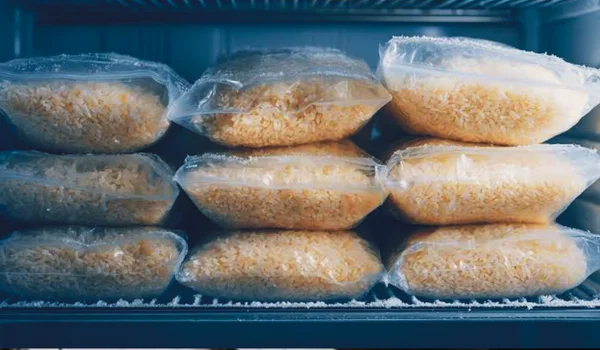
Safe rice storage starts with proper cooking. Before cooking, store uncooked rice in a clean, dry place and protect it from moisture and insects.
Wash rice appropriately according to the type of rice and your usual cooking method. Use clean water and clean utensils during preparation.
Once the rice is cooked, avoid leaving it sitting in the cooking pot or rice cooker at room temperature for a long time. The longer cooked rice remains warm or at room temperature, the greater the opportunity for bacteria to multiply.
Do Not Leave Cooked Rice at Room Temperature for Long
Cooked rice contains moisture, making it a suitable environment for bacterial growth when it is kept under unsafe conditions.
After serving a meal, refrigerate leftover rice promptly rather than leaving it on the dining table or kitchen counter for several hours.
This is particularly important in warm weather. High room temperatures can encourage faster bacterial growth.
If rice has been left out for an extended period, do not assume that reheating it will make it safe. Some bacteria can produce toxins that may not be destroyed by ordinary reheating.
Cool Rice Quickly Before Refrigerating
If you have prepared a large quantity of rice, divide it into smaller, shallow containers rather than placing the entire batch in one deep container.
Smaller portions cool more quickly, helping the rice reach a safe refrigerated temperature sooner.
Do not leave a large pot of cooked rice sitting outside for hours while waiting for it to cool completely. Prompt cooling and refrigeration are more important than allowing the rice to reach room temperature.
Use Clean, Covered Containers
Store leftover rice in clean food-safe containers with properly fitting lids.
Covering the rice helps protect it from contamination and prevents it from absorbing odors from other foods in the refrigerator.
Avoid transferring cooked rice into containers that contain old food residue. Wash and dry containers thoroughly before using them.
If possible, divide rice into meal-sized portions. This makes it easier to take out only what you need and reduces repeated handling.
Keep the Refrigerator Cold
Your refrigerator should be maintained at a safe temperature, generally around 4°C or below.
A refrigerator thermometer can help you check whether the appliance is actually maintaining the desired temperature.
Do not overcrowd the refrigerator because cold air needs space to circulate. Keep rice away from raw foods that could leak or contaminate the container.
Avoid repeatedly opening the refrigerator door for long periods because this can raise the internal temperature.
Label Stored Rice
If you frequently store leftover rice, label the container with the date it was cooked or refrigerated.
This simple habit helps you remember how long the rice has been stored. Try to use older food before newer food.
Cooked rice should not be kept in the refrigerator indefinitely. For best quality and safety, follow appropriate food-safety storage guidance and discard rice that has been stored for an uncertain or excessive amount of time.
When you cannot remember when the rice was prepared, it is safer not to eat it.
Store Different Types of Rice Carefully
White rice, brown rice, basmati rice, jasmine rice, and other varieties may differ in texture and cooking characteristics, but cooked versions still require careful handling.
Brown rice contains more natural oils and can develop an unpleasant smell or flavor when stored for too long. Cooked rice of any variety should be refrigerated promptly.
Rice mixed with vegetables, eggs, meat, seafood, sauces, or dairy ingredients may require additional care because the other ingredients can also be highly perishable.
Avoid Repeated Heating and Cooling
Try to reheat only the portion of rice you plan to eat.
Taking a large container out of the refrigerator, reheating it, allowing it to cool, and then returning it to the refrigerator repeatedly is not a good storage practice.
Instead, divide rice into individual portions before refrigeration. You can then remove one portion whenever needed.
This also helps maintain the rice’s texture and prevents unnecessary drying.
Reheat Rice Thoroughly
When eating refrigerated rice, reheat it until it is steaming hot throughout.
If using a microwave, stir the rice during heating when appropriate so that heat is distributed evenly. Allow it to stand briefly after heating and check that the centre is also hot.
Avoid reheating the same portion multiple times.
If you are using a pan, add a small amount of water if necessary to prevent the rice from drying out, and heat it thoroughly.
Be Careful With Rice Cookers
Rice cookers can be convenient, but the keep-warm function should not be treated as a substitute for proper refrigeration indefinitely.
If cooked rice will not be eaten within an appropriate period, transfer it to suitable containers and refrigerate it promptly.
Clean the rice cooker regularly, particularly around the inner pot, lid, steam vent, and areas where food residue can accumulate.
Always follow the manufacturer’s instructions for cleaning and safe use.
Recognize Signs of Spoiled Rice
Before eating stored rice, check for obvious signs that it has deteriorated.
Spoiled rice may develop an unusual smell, slimy or excessively wet texture, discoloration, mold, or other noticeable changes.
However, appearance and smell cannot guarantee that rice is safe. Harmful bacteria may be present without producing an obvious change.
Never taste rice simply to determine whether it is safe. If rice has been stored incorrectly or you are uncertain about its storage history, discarding it is the safer choice.
Keep Rice Away From Contamination
Always use clean utensils when serving or removing rice from its storage container.
Do not use a spoon that has already been in your mouth or has touched raw food.
Keep cooked rice covered and separate from raw meat, chicken, seafood, and other ingredients that could contaminate it.
Wash your hands before handling cooked rice, particularly after touching raw ingredients.
Freeze Rice When Necessary
If you have prepared more rice than you can safely use within the recommended refrigerator storage period, freezing can be an option.
Divide the rice into meal-sized portions and place it in suitable freezer-safe containers or bags. Remove excess air where appropriate and label each portion with the date.
When you need the rice, thaw and reheat it safely rather than repeatedly moving the entire batch between the freezer and refrigerator.
Freezing can help extend storage life, but it should be done while the rice is still fresh and has been handled safely.
Common Mistakes to Avoid
Several everyday habits can make cooked rice spoil more quickly.
Avoid leaving rice uncovered on the kitchen counter for hours. Do not store a large hot batch in a deep container and assume it will cool quickly. Avoid using dirty containers or utensils.
Do not rely solely on smell to determine whether rice is safe. Also avoid repeatedly reheating and cooling the same batch.
Another common mistake is storing rice for too long simply because it still looks normal. Safe storage time matters even when there are no obvious signs of spoilage.
Final Thoughts
Preventing rice from spoiling quickly mainly depends on controlling time, temperature, and hygiene. Cook rice properly, refrigerate leftovers promptly, divide large batches into smaller portions, use clean covered containers, and keep the refrigerator sufficiently cold.
When eating stored rice, reheat only the portion you need and make sure it is thoroughly hot. If rice has been left at room temperature for too long, has been stored incorrectly, or has an uncertain storage history, it is safer to discard it.
These simple habits can help keep cooked rice fresher and safer while reducing unnecessary food waste at home.
 admin