
Cryptocurrency transactions are usually processed through a blockchain network, but sometimes a transaction may remain pending for a long time. This can be confusing, especially when the amount is significant or you are waiting for a payment to reach another wallet or exchange. A pending transaction does not always mean that your money is lost. In many cases, it simply means that the transaction has not yet received enough confirmation from the blockchain.
The right response depends on the blockchain, wallet, exchange, transaction fee, network congestion and transaction status. Instead of sending another transaction immediately, it is important to first understand what is happening.
What Does a Pending Crypto Transaction Mean?
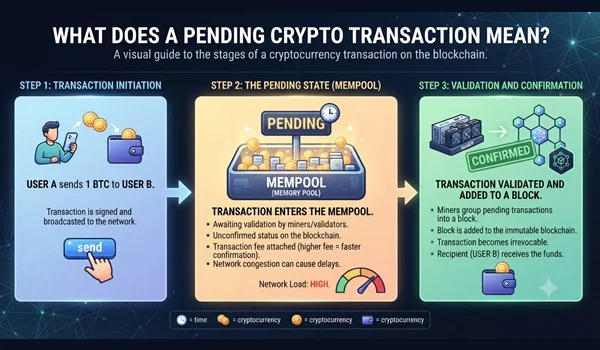
A crypto transaction generally moves through several stages. After you approve a transaction, your wallet broadcasts it to the blockchain network. It may then enter a pool of unconfirmed transactions waiting to be included in a block.
A transaction marked as pending, unconfirmed or processing has usually been broadcast but has not received the required blockchain confirmation.
The exact meaning can differ between wallets and exchanges. Some platforms may show a transaction as pending even after it has been processed on the blockchain because their internal systems have not updated yet.
Check the Transaction Status
The first step is to check the transaction status carefully.
Most blockchain transactions have a unique transaction ID, also called a transaction hash or TxID. Your wallet or exchange should normally provide this information.
You can use the transaction ID to check the transaction on the relevant blockchain explorer. A blockchain explorer can show information such as:
- Transaction status
- Number of confirmations
- Sending address
- Receiving address
- Amount transferred
- Network fee
- Block information
- Whether the transaction was successful or failed
Make sure you use an explorer that supports the particular blockchain you are using. A Bitcoin transaction and an Ethereum transaction, for example, are recorded on different networks.
Check Whether the Blockchain Is Congested
Blockchain networks can become busy when many users are trying to make transactions at the same time.
During periods of heavy activity, transactions may take longer to confirm. Users who pay higher network fees may sometimes have their transactions processed earlier, depending on how that particular blockchain handles transaction fees.
If your transaction is pending during a period of network congestion, waiting may be necessary.
Before taking any action, check whether other transactions on the same network are also experiencing delays. If the network is generally busy, repeatedly trying to send the transaction again may not solve the problem.
Check the Network Fee
The network fee is another important factor.
Some blockchain networks allow users to select or influence the transaction fee. If a transaction was submitted with a relatively low fee compared with current network demand, it may take longer to be confirmed.
This does not necessarily mean the transaction will fail. Depending on the blockchain, it may eventually be confirmed when network conditions change.
However, fee systems differ significantly between cryptocurrencies. Do not assume that a method used for one blockchain will work for another.
Do Not Immediately Send the Same Transaction Again
One common mistake is to see a pending transaction and immediately send another transaction for the same amount.
This can create confusion. The original transaction may still be processed, potentially resulting in an unintended additional payment.
Before attempting another transaction, determine whether the first transaction is:
- Still waiting for confirmation
- Rejected or failed
- Cancelled
- Dropped from the network
- Successfully completed but not yet reflected by the receiving platform
If you are unsure, check the transaction ID and contact the wallet or exchange provider.
Check the Receiving Wallet or Exchange
Sometimes the blockchain transaction has already been completed, but the receiving platform has not credited the funds yet.
This can happen when an exchange requires several blockchain confirmations before making a deposit available.
For example, a transaction may show as successful on a blockchain explorer while the receiving exchange still displays the deposit as pending.
In such a situation, sending the money again is usually not the correct solution. Check the exchange’s deposit requirements and confirmation status first.
Also verify that you used the correct cryptocurrency and network. Sending an asset through an unsupported network can create additional recovery problems.
Understand Failed and Pending Transactions
A pending transaction and a failed transaction are not the same.
A pending transaction may still be processed. A failed transaction, on the other hand, has been rejected or otherwise did not complete successfully.
Some blockchain systems may still charge a network fee when a transaction attempt fails, depending on the network and the type of transaction.
If your wallet shows that a transaction failed, review the reason provided by the wallet or blockchain explorer before attempting it again.
Be Careful With Transaction Replacement or Cancellation
Certain blockchain networks and wallets support mechanisms that can replace or cancel an unconfirmed transaction under specific conditions.
However, these features are not universal.
Some wallets may provide options such as increasing the fee or replacing a transaction with another one. These options can involve technical rules, and using them incorrectly can create additional complications.
Do not assume that a transaction can always be cancelled simply because it is pending. On many blockchain systems, once a transaction has been confirmed, it generally cannot be reversed through the blockchain.
If your wallet offers a replacement or cancellation feature, read its instructions carefully before using it.
What If You Sent Crypto to the Wrong Address?
A pending transaction is sometimes confused with a wrong-address problem.
If you entered the wrong wallet address and the transaction has already been confirmed on the blockchain, the situation is different from a normal pending transaction. Blockchain transactions are generally designed to be irreversible.
If the address belongs to someone you know, you may need to contact the recipient directly. If the transaction involved an exchange or service, contact its official support team and provide the transaction details.
Never trust someone who claims they can recover your cryptocurrency for an upfront fee without proper verification.
Watch Out for Crypto Scams
A pending transaction can make users vulnerable to scams.
Someone may contact you claiming that your crypto is “locked” and that you need to pay an additional amount to release it. Others may ask for your wallet recovery phrase, private key, password or one-time authentication code.
Do not share these details.
A legitimate wallet provider or exchange should not need your private recovery phrase to investigate an ordinary transaction. Be especially cautious about unsolicited messages, fake customer-support accounts and websites asking you to connect your wallet.
Contact Customer Support When Necessary
If the transaction involves a centralized exchange or custodial wallet, contact the platform’s official customer-support channel when the issue cannot be resolved through its transaction status page.
Keep the following information ready:
- Transaction ID
- Cryptocurrency involved
- Amount
- Date and approximate time
- Sending wallet address
- Receiving wallet address
- Network used
- Screenshots of the transaction status, if appropriate
Never include your private key, seed phrase or wallet password in a support request.
When Should You Take Further Action?
The appropriate waiting period depends on the blockchain and current network conditions. A transaction that normally takes a few minutes on one network may take much longer on another.
If the blockchain explorer shows the transaction as confirmed, but the receiving service has not credited it, contact the receiving platform.
If the transaction remains unconfirmed, investigate the network status and fee conditions first.
If the transaction has disappeared from the pending pool or is marked as failed, check your wallet’s instructions before trying again.
Final Thoughts
A stuck or pending crypto transaction does not automatically mean that your cryptocurrency has been lost. The first step is to locate the transaction ID and check its actual status on the correct blockchain network. Then consider network congestion, transaction fees, confirmation requirements and the policies of the receiving wallet or exchange.
Avoid sending duplicate transactions without understanding what happened to the original one. Most importantly, never share your private keys, recovery phrase or passwords with anyone claiming to help recover a pending transaction. By checking the transaction carefully and using official support channels when necessary, you can reduce the risk of making an already complicated crypto transaction more difficult.