
A dog suddenly refusing food can be worrying, especially if the change happens without any obvious reason. Sometimes a dog may skip one meal because of a minor stomach upset, stress, a change in routine, or simply because it is not hungry. However, a sudden loss of appetite can also be a sign of illness, pain, infection, dental problems, or another health issue. Knowing what to check at home and when to contact a veterinarian can help you respond safely.
Check Your Dog for Other Symptoms
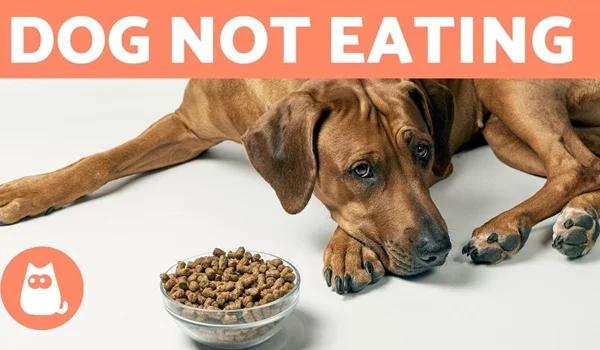
The first step is to observe your dog carefully. Loss of appetite is more important when it occurs along with other changes.
Look for symptoms such as vomiting, diarrhoea, excessive drooling, weakness, unusual sleepiness, coughing, difficulty breathing, fever, shaking, abdominal discomfort, or changes in urination. Also check whether your dog is drinking water normally.
A dog that refuses food but remains active, alert, and otherwise normal may have a temporary appetite change. A dog that refuses food and appears seriously unwell needs more prompt veterinary attention.
Make Sure Your Dog Has Access to Fresh Water
Even if your dog is not eating, access to clean drinking water is important. Dehydration can become a concern when a dog stops eating, particularly if vomiting or diarrhoea is also present.
Watch how much your dog drinks. Drinking excessively, refusing water completely, or repeatedly vomiting after drinking can all be reasons to contact a veterinarian.
Do not force large amounts of water into your dog’s mouth. If your dog cannot keep water down, veterinary advice is particularly important.
Think About Recent Changes
Consider what happened before your dog stopped eating. Dogs can lose their appetite because of changes in their surroundings or daily routine.
Possible triggers include moving to a new home, travelling, a new pet or person in the house, loud noises, hot weather, changes in feeding times, or a sudden change in food.
If you recently changed your dog’s food, the new food may not suit your dog or the transition may have happened too quickly. Sudden dietary changes can sometimes cause digestive problems.
Check the Food
Before assuming your dog is sick, make sure the food itself is suitable and fresh. Check whether the food has an unusual smell, appearance, or texture.
If you use dry food, make sure it has been stored properly and has not become stale or contaminated. For homemade food, consider whether any ingredient was changed recently.
Do not give your dog food that is spoiled or has been sitting out for too long. Also avoid giving table scraps simply to encourage eating, because rich or unfamiliar foods can make stomach problems worse.
Look for Dental or Mouth Problems
Dental pain is another possible reason a dog suddenly stops eating. A dog may want to eat but avoid food because chewing hurts.
If your dog allows you to do so safely, observe the mouth for obvious swelling, bleeding, broken teeth, bad breath, or something stuck between the teeth. Be careful because a dog experiencing pain may bite unexpectedly.
Dogs with mouth pain may also drool more than usual, chew on one side, drop food while eating, or show interest in food but walk away after trying to eat.
A veterinarian should examine suspected dental problems rather than attempting to remove painful or deeply lodged objects yourself.
Avoid Force-Feeding
It is generally not a good idea to force food into your dog’s mouth unless a veterinarian has specifically instructed you to do so.
Force-feeding can cause stress and may increase the risk of food entering the airway. Instead, keep the environment calm and offer food normally.
If your dog is interested in food but seems unable to chew or swallow, this is different from simply not being hungry and should be discussed with a veterinarian.
Try a Simple Feeding Approach
If your dog otherwise appears well, you can offer its normal food again after some time. Keep the feeding area quiet and comfortable.
Avoid constantly changing foods or offering many treats in an attempt to make your dog eat. This can make it difficult to determine what is causing the problem and may upset the digestive system.
If your veterinarian has previously recommended a particular diet for your dog, follow that advice rather than experimenting with new foods.
Know When to Contact a Veterinarian
The appropriate response depends on your dog’s age, health, symptoms, and how long the appetite loss continues.
A healthy adult dog that skips a single meal but remains active and normal may sometimes be monitored closely. However, continued refusal to eat should not be ignored.
Contact a veterinarian if your dog continues refusing food, especially if the appetite loss lasts around a day or is accompanied by other symptoms. Puppies, elderly dogs, pregnant dogs, and dogs with existing health problems may need attention sooner.
A veterinarian can examine your dog and determine whether the problem is related to the digestive system, teeth, infection, pain, medication, or another condition.
Seek Urgent Veterinary Help for Serious Symptoms
Some signs require more immediate attention. Seek urgent veterinary care if your dog has severe weakness, difficulty breathing, repeated vomiting, bloody diarrhoea, a swollen or painful abdomen, collapse, seizures, severe pain, or suspected poisoning.
You should also seek prompt help if your dog may have swallowed a foreign object, medication, chemical, toxic plant, or another potentially dangerous substance.
Do not wait for appetite to return when there are serious symptoms. Early veterinary assessment can be important in these situations.
Keep a Record of Changes
If your dog needs veterinary care, having useful information can make the consultation easier. Note when your dog last ate normally, what food was offered, how much water it drank, and whether vomiting, diarrhoea, or other symptoms occurred.
Also mention any recent changes in food, medication, routine, travel, environment, or access to unusual objects or substances.
If possible, note whether your dog is urinating and passing stools normally. These details can help the veterinarian understand the situation.
Do Not Give Human Medicines Without Advice
Some owners may be tempted to give human medicines when their dog refuses food or appears uncomfortable. This can be dangerous.
Many medicines that are commonly used by people are not safe for dogs, and the appropriate dose can vary considerably. Never give painkillers, stomach medicines, antibiotics, or other human medication unless a veterinarian specifically recommends them.
Similarly, avoid home remedies that may interfere with diagnosis or cause additional problems.
Prevent Future Appetite Problems
Once your dog is eating normally again, maintain a consistent feeding routine. Provide a balanced diet appropriate for your dog’s age, size, and health needs.
Keep potentially harmful foods, medicines, chemicals, and small objects away from your dog. Regular veterinary checkups can also help identify dental or other health problems before they become more serious.
Monitor your dog’s normal eating habits so that you can quickly recognise unusual changes.
Conclusion
A dog suddenly stopping eating should be taken seriously, but it does not always mean there is a major health problem. Start by checking your dog’s overall behaviour, water intake, food, recent routine changes, and possible signs of pain or illness. Avoid force-feeding and do not give medicines without veterinary guidance.
If appetite loss continues, occurs in a vulnerable dog, or appears with vomiting, weakness, pain, breathing problems, poisoning concerns, or other serious symptoms, contact a veterinarian promptly. Careful observation and timely professional advice are the safest ways to deal with a sudden change in your dog’s eating habits.