
A suddenly high blood pressure reading can be worrying, especially if your usual readings are lower. However, one elevated reading does not necessarily mean that you have a serious medical problem. Blood pressure can temporarily increase because of stress, anxiety, pain, physical activity, caffeine, smoking, or an incorrect measurement technique.
The safest approach is to remain calm, check the reading correctly, look for warning symptoms, and seek medical attention when necessary. If you already take blood pressure medicine, do not make changes to your treatment without medical advice.
Sit Down and Rest
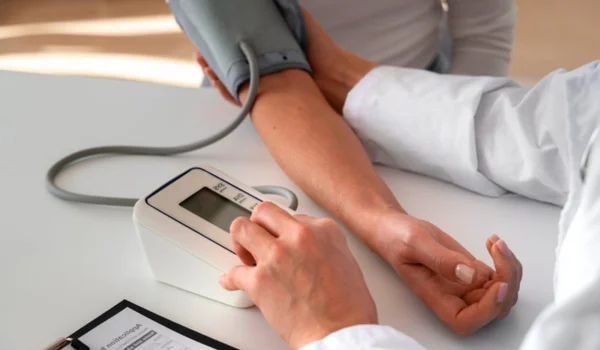
If your blood pressure reading is unexpectedly high, sit quietly and rest for several minutes. Avoid exercising, walking around unnecessarily, or becoming anxious about the number.
Sit with your back supported and keep your feet flat on the floor. Try to relax and breathe normally.
Anxiety about a high reading can itself contribute to a temporary increase in blood pressure, so taking a few quiet minutes before repeating the measurement can be useful.
Check the Blood Pressure Again
Make sure the blood pressure monitor is being used correctly before assuming the first reading is accurate.
For a more reliable reading:
- Sit quietly before measuring.
- Keep your back supported.
- Place both feet flat on the floor.
- Keep your arm supported at approximately heart level.
- Use an appropriately sized cuff.
- Do not talk during the measurement.
- Take another reading after resting.
If possible, take two readings a few minutes apart and record the results.
Check for Emergency Warning Signs
A very high blood pressure reading becomes particularly concerning when it occurs together with serious symptoms.
Seek emergency medical care if a high reading is accompanied by symptoms such as:
- Chest pain or pressure
- Severe difficulty breathing
- Sudden weakness or numbness
- Difficulty speaking
- Sudden confusion
- Severe or unusual headache
- Sudden vision problems
- Loss of consciousness
- Severe dizziness or other rapidly worsening symptoms
Do not wait for another home reading if you are experiencing symptoms that could indicate a medical emergency.
Understand Very High Readings
Blood pressure is recorded using two numbers: systolic pressure and diastolic pressure. The first number represents pressure when the heart contracts, while the second represents pressure when the heart relaxes.
A reading around 180/120 mmHg or higher is considered severely elevated. If you obtain a reading in this range, rest and repeat the measurement after a few minutes.
If it remains around or above this level, contact a healthcare professional promptly for advice. If it is accompanied by concerning symptoms such as chest pain, breathing difficulty, neurological changes, or severe headache, seek emergency medical care immediately.
Do Not Panic Over One Reading
Blood pressure naturally changes throughout the day. Physical activity, emotional stress, pain, illness, lack of sleep, caffeine, and other factors can temporarily increase it.
A single elevated reading therefore does not automatically establish a diagnosis of hypertension.
What matters is the overall pattern of readings and the circumstances in which they were taken. If your readings repeatedly remain above the range recommended by your doctor, arrange a medical evaluation.
Take Your Prescribed Medicine as Directed
If you have been prescribed blood pressure medicine, take it according to your doctor’s instructions.
Do not take an additional dose simply because a single reading is higher than usual unless your doctor has specifically given you instructions for handling such readings.
Taking extra medicine without medical guidance can cause blood pressure to fall too far and may create other problems.
If you accidentally took too much medication, contact a healthcare professional or appropriate emergency service for advice.
Avoid Things That Can Temporarily Raise Blood Pressure
While waiting to repeat the measurement, avoid factors that can temporarily increase blood pressure.
These may include:
- Caffeine
- Smoking or nicotine
- Strenuous exercise
- Excessive stress
- Certain non-prescription medicines or stimulants
Some medicines, including certain decongestants and pain medicines, can affect blood pressure in some people. If your readings have recently changed, tell your doctor or pharmacist about all medicines and supplements you take.
Keep a Blood Pressure Record
If your doctor has advised you to monitor your blood pressure at home, maintain a written or digital record.
Record:
- Date
- Time
- Systolic reading
- Diastolic reading
- Pulse, if available
- Any symptoms
- Relevant circumstances, such as exercise or stress
- Medicines taken
A record over several days can give your doctor more useful information than one isolated measurement.
Check Your Blood Pressure Monitor
If your readings suddenly seem very different from usual, consider whether there could be a measurement problem.
Make sure the cuff fits correctly and that the device is being used according to its instructions. Wrist monitors can be more sensitive to positioning than upper-arm monitors.
If there is a major difference between your home readings and readings taken by a healthcare professional, discuss the device and measurement technique with them.
Consider Recent Changes in Your Health
Think about whether anything has changed recently.
Blood pressure may be affected by:
- Pain
- Fever or illness
- Poor sleep
- Emotional stress
- Dehydration
- Changes in medication
- Increased salt intake
- Increased caffeine intake
- Reduced physical activity
These factors do not necessarily explain every high reading, but telling your doctor about recent changes can help with evaluation.
Contact Your Doctor About Repeated High Readings
If your blood pressure repeatedly remains high, schedule an appointment with your doctor even if you feel well.
High blood pressure often does not cause noticeable symptoms. Regularly elevated readings may require confirmation, lifestyle changes, medication review, or treatment depending on your individual circumstances.
Bring your home blood pressure record and, if possible, the monitor itself to your appointment.
Do Not Rely Only on Symptoms
A common mistake is assuming that blood pressure is normal because you feel fine. High blood pressure can exist without obvious symptoms.
For this reason, regular monitoring may be important for people who have been advised by their healthcare professionals to check their blood pressure.
At the same time, symptoms such as chest pain, breathing difficulty, sudden neurological changes, or loss of consciousness should never be ignored simply because you think the blood pressure reading may be responsible.
Special Situations Need Medical Advice
Pregnancy and the period after childbirth require particular attention to blood pressure. A sudden increase in blood pressure during pregnancy or after delivery, especially when accompanied by symptoms such as severe headache, vision changes, abdominal pain, swelling, or breathing difficulty, requires prompt medical assessment.
People with known heart disease, kidney disease, previous stroke, or other significant medical conditions should also follow the blood-pressure monitoring and emergency instructions provided by their healthcare team.
Conclusion
If your blood pressure reading suddenly becomes high, stay calm and repeat the measurement after resting. Make sure you are using the monitor correctly and record the result. One elevated reading does not necessarily mean that you have hypertension, but repeatedly high readings should be discussed with a healthcare professional.
A reading around 180/120 mmHg or higher requires particular attention, especially if it remains high after repeating the measurement. When such a reading occurs with serious symptoms such as chest pain, difficulty breathing, sudden weakness, confusion, speech problems, vision changes, or loss of consciousness, seek emergency medical care immediately.
Do not take extra blood pressure medicine or stop your regular medication on your own unless your healthcare professional has specifically instructed you to do so. The safest approach is to combine accurate home monitoring with appropriate medical advice.