
Cracks on walls are a common problem in houses, apartments, offices, and other buildings. A small crack may look like a simple cosmetic issue, but if the same crack keeps coming back after repair, it may indicate that the underlying cause has not been addressed. Repeated wall cracks can develop because of building movement, moisture, temperature changes, poor plastering, weak construction joints, or settlement.
The right way to fix a wall that keeps developing cracks is not simply to fill the crack again and again. First, you need to identify why the crack is appearing. Once the cause is controlled, the wall can be repaired properly and finished with suitable plaster and paint.
Identify the Type of Wall Crack
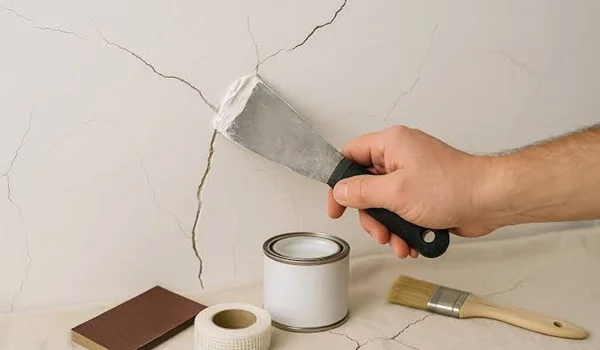
Before repairing the wall, carefully examine the crack. Its size, direction, location, and appearance can provide useful clues.
Thin hairline cracks are often related to normal plaster shrinkage, paint movement, or minor temperature changes. These cracks are usually less serious when they remain stable.
Vertical cracks may appear because of plaster shrinkage, movement between different building materials, or settlement. Horizontal cracks require more attention, especially when they are wide or appear along important structural areas.
Diagonal cracks, particularly those extending from the corners of doors or windows, should not be ignored. They can sometimes be associated with movement or settlement of the building.
If a crack is wide, rapidly growing, accompanied by sticking doors or windows, visible water damage, or other unusual changes, it is better to have the wall inspected by a qualified building professional before carrying out cosmetic repairs.
Find Out Why the Crack Keeps Coming Back
The most important step is finding the cause. If you simply cover the visible crack with putty, it may reopen because the wall is still moving or moisture is still entering.
One common cause is building settlement. As a building settles, small movements can occur in walls. Older buildings can also develop cracks because of changes in the structure over time.
Moisture is another major cause. Water leaking from plumbing, bathrooms, roofs, balconies, windows, or external walls can weaken plaster and cause repeated cracking. Damp areas should be fixed before repairing the surface.
Temperature changes can also cause expansion and contraction. This is more noticeable on exterior walls exposed to sunlight and changing weather conditions.
Poor-quality plaster, insufficient curing, incorrect material proportions, or improper surface preparation can also result in recurring cracks.
Check for Moisture Problems
If the cracked area feels damp, has peeling paint, develops stains, or shows signs of mould, investigate moisture before repairing it.
Check nearby plumbing pipes, bathroom walls, kitchen areas, roof surfaces, window edges, and exterior walls. Water may sometimes travel through a wall and appear at a location different from the actual leak.
Repair the source of water first. Allow the affected wall to dry properly before applying new plaster, putty, or paint.
Painting over a damp wall usually provides only a temporary solution. The paint may bubble, peel, or crack again.
Remove Loose Material Around the Crack
Once the underlying problem has been addressed, prepare the wall for repair.
Use a suitable scraper or other basic repair tool to remove loose paint, weak putty, and damaged plaster around the crack. Do not leave powdery or unstable material underneath the new repair.
For a very narrow surface crack, the existing opening may only require light preparation. For a wider crack, the damaged material may need to be opened slightly so the repair material can properly grip the sides.
Clean away dust before applying any repair material.
Use the Right Repair Material
The repair method should depend on the type and size of the crack.
For minor plaster or paint cracks, a suitable wall crack filler or repair compound may be enough. Apply it according to the manufacturer’s instructions and allow it to dry properly.
For cracks that repeatedly appear at joints between different materials, a flexible crack repair system or suitable reinforcement may be more appropriate. Fiberglass mesh or similar reinforcing material can sometimes be used over prepared cracks to reduce the chance of the repair reopening.
For larger or deeper cracks, ordinary wall putty may not be sufficient. A plaster repair material or professional repair method may be required.
Avoid using excessive amounts of putty simply to hide a deep crack. The repair may shrink or separate later.
Repair the Crack in Layers
After cleaning the crack, apply the appropriate repair compound carefully.
Deep repairs should generally be completed in manageable layers rather than filling a large cavity with one thick application. Allow each layer to dry as recommended before adding another.
For suitable cracks, reinforcement mesh can be embedded over the repaired area. The repair should extend slightly beyond the original crack so that the transition between the old and repaired surface is smooth.
Once the material has completely dried, sand the surface gently. The repaired area should be level with the surrounding wall.
Apply Primer Before Painting
After sanding, remove all dust from the wall. Apply a suitable primer to the repaired area or the entire wall, depending on the condition of the surface.
Primer helps create a more uniform surface for paint and can improve adhesion. It also reduces the chance that the repaired section will look noticeably different from the surrounding wall.
After the primer dries, apply the required coats of paint. Do not rush the process by painting over damp primer or repair material.
What to Do If the Crack Comes Back
If a crack reappears shortly after repair, do not simply fill it again. Repeated cracking usually means that the underlying movement, moisture, joint problem, or surface weakness remains unresolved.
Take note of when the crack returns and whether it is becoming longer or wider. Photographing the crack at different times can also help track changes.
If several cracks are appearing in different areas of the building, especially if they are increasing in size, professional inspection is advisable.
When Professional Help Is Necessary
Some cracks require more than a normal DIY repair. Contact a qualified building professional or structural engineer if the crack is wide, rapidly expanding, passes through structural elements, or is accompanied by other signs of building movement.
Pay particular attention if you notice major diagonal cracks, significant wall displacement, sagging areas, unusual floor movement, or doors and windows suddenly becoming difficult to open or close.
Professional inspection is especially important when the cause is uncertain. Repairing the visible crack without understanding the underlying problem can hide symptoms while the actual issue continues.
How to Prevent Wall Cracks in the Future
Prevention starts with controlling the cause. Keep plumbing and drainage systems in good condition, repair roof and exterior leaks promptly, and prevent water from remaining against walls.
Use suitable construction and repair materials and allow plaster and other cement-based materials enough time to cure properly.
Where movement joints or transitions between different materials are involved, the repair should account for normal movement instead of creating a rigid surface that cracks again.
Regularly inspect walls, particularly after heavy rainfall, renovation work, or significant changes in the building.
Final Thoughts
Fixing a wall that keeps developing cracks requires more than applying fresh putty and paint. The most important step is identifying the reason the crack is returning. Moisture, settlement, temperature changes, poor plastering, and movement between building materials can all contribute to recurring cracks.
Small, stable surface cracks can often be repaired with proper preparation and suitable materials. However, large, growing, or unusual cracks should be professionally assessed. By fixing the underlying cause first and then using the correct repair method, you can achieve a longer-lasting wall repair and reduce the chances of the crack returning.