
Low water pressure can make everyday household tasks frustrating. A shower may produce only a weak flow, taps may take longer to fill a bucket, and appliances such as washing machines may not receive enough water. The problem can affect one tap, one bathroom, or the entire house.
Low water pressure can have several causes, including clogged tap aerators, partially closed valves, leaking pipes, blocked plumbing, problems with the overhead water tank, or insufficient supply from the main water line. Before replacing pipes or installing a pump, it is important to identify the actual cause.
Check Whether the Problem Affects the Whole House
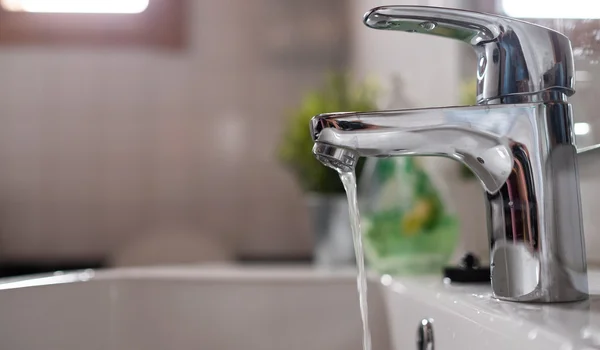
Start by checking several taps and showers around the house.
If only one tap has low pressure, the problem is probably local to that fixture. If every tap has weak flow, the issue may involve the main supply, plumbing system, water tank, pressure regulator, or another common component.
Also check whether the pressure is low only at certain times of the day. If water pressure drops during peak usage hours and improves later, the problem may be related to the local water supply rather than your internal plumbing.
Clean the Tap Aerator
A clogged tap aerator is one of the easiest problems to fix.
The small screen at the end of many taps can collect dirt, mineral deposits, rust particles, and other debris. This restricts the flow of water.
Remove the aerator carefully and clean it. If mineral deposits have accumulated heavily, follow the cleaning method recommended for the fixture.
After cleaning and reinstalling it, turn the tap on and check whether the water flow has improved.
Check the Showerhead
A showerhead can also become blocked with mineral deposits and sediment.
Remove the showerhead if practical and inspect the openings. Clean it according to the manufacturer’s instructions.
If the showerhead is badly clogged or damaged, replacement may be more practical than cleaning.
A blocked showerhead can create the impression that the entire home’s water pressure is low when the problem is actually limited to the shower.
Make Sure the Main Valve Is Fully Open
A partially closed main water valve can significantly reduce water flow.
Locate the main shut-off valve and check whether it is fully open. Do not force a valve that is stuck, corroded, or damaged because it could break and cause a larger leak.
If you are unsure which valve controls the house supply, ask a plumber to identify it.
Also check smaller isolation valves connected to individual fixtures or sections of the plumbing.
Inspect the Water Tank
In homes that use an overhead water tank, the height and water level of the tank can affect water pressure.
If the tank is nearly empty, water flow may become weak. Check whether it is receiving an adequate supply and whether the inlet valve is working correctly.
A tank that does not fill properly may have a problem with its float valve, inlet pipe, or water supply.
If the tank is full but pressure remains unusually low throughout the house, the plumbing arrangement may need inspection.
Look for Leaking Pipes
A hidden water leak can reduce available water flow and cause other damage.
Check visible pipes, joints, bathroom fittings, kitchen plumbing, and areas around water heaters. Look for dripping water, damp walls, mould, unexplained wet patches, or unusually high water consumption.
Concealed leaks inside walls or beneath floors may be harder to identify. If you suspect one, contact a qualified plumber rather than opening walls or flooring unnecessarily.
Repairing the leak may restore pressure and prevent further property damage.
Check for Blocked or Corroded Pipes
Older plumbing systems can develop internal restrictions because of mineral deposits, rust, sediment, or corrosion.
If water pressure has gradually decreased over a long period, blocked or deteriorated pipes may be responsible.
Cleaning a fixture may not solve the problem if the restriction is inside the supply pipe.
A plumber can inspect the system and determine whether a section of pipe needs cleaning, replacement, or another repair.
Inspect the Pressure Regulator
Some homes have a pressure-reducing or pressure-regulating valve installed on the water supply.
If the regulator is incorrectly adjusted, damaged, or clogged, it can cause low water pressure.
Do not make major adjustments without understanding the system. Excessive pressure can damage plumbing fixtures and appliances.
If a pressure regulator is suspected, have it checked by a qualified professional.
Check the Water Heater
If low pressure occurs only with hot water, the problem may not be with the main household supply.
A clogged inlet, faulty valve, sediment buildup, or restriction in the hot-water system may reduce flow.
Compare the flow from the same tap using cold and hot water. If cold water flows normally but hot water is weak, focus the inspection on the water heater and hot-water plumbing.
Check the Main Supply
If the entire house has low pressure, check whether nearby homes are experiencing the same problem.
A temporary reduction in the municipal or building-level water supply can affect household pressure. Maintenance work, high demand, or supply interruptions can also cause changes.
If neighbours are experiencing the same issue, the problem may be outside your home’s plumbing system.
Consider the Number of Fixtures Being Used
Water pressure can drop when multiple fixtures are operating at the same time.
For example, running a shower, washing machine, kitchen tap, and another bathroom tap simultaneously may reduce the available flow, especially in a system with limited supply capacity.
Test the pressure with other fixtures turned off. If the flow improves significantly, the plumbing system may simply have limited capacity for simultaneous use.
Consider a Booster Pump Carefully
A booster pump can improve water pressure in some homes, but it should not automatically be the first solution.
First determine why the pressure is low. A pump will not fix a leaking pipe, blocked pipe, faulty valve, or inadequate water supply.
If a booster pump is appropriate, it should be selected and installed according to the home’s plumbing system and water requirements. Electrical connections should also be installed safely.
Do Not Ignore Sudden Pressure Loss
A sudden and significant reduction in water pressure deserves attention, especially if it occurs throughout the home.
Possible causes include a major leak, damaged pipe, closed valve, supply problem, or plumbing failure.
If water is leaking near electrical equipment or if there is substantial flooding, prioritize safety and have the relevant systems inspected.
When to Call a Plumber
Professional help is recommended when the cause cannot be identified, concealed pipes may be leaking, pressure remains low throughout the house, or pipes appear badly corroded.
A plumber can inspect valves, pipes, regulators, water tanks, pumps, and fixtures to identify the restriction.
Professional assistance is also useful when a major plumbing modification or booster pump installation is being considered.
How to Prevent Low Water Pressure
Regular plumbing maintenance can help prevent pressure problems. Clean tap aerators and showerheads periodically, repair leaks promptly, and check valves and visible pipes for signs of deterioration.
Keep water tanks and associated components properly maintained. If your home has older plumbing, periodic inspection can help identify corrosion or blockages before they cause severe restrictions.
Avoid making unnecessary modifications to the plumbing system without understanding how they will affect water flow.
Final Thoughts
Fixing low water pressure starts with finding the source of the problem. A clogged tap aerator or showerhead may require only simple cleaning, while low pressure throughout the house may involve the main valve, water tank, pipes, regulator, or external water supply.
Check the easiest causes first and observe whether the problem affects one fixture or the entire home. If the issue persists, particularly when concealed pipes or major plumbing components are involved, professional inspection can help identify the cause and prevent unnecessary repairs.
A proper diagnosis is usually more effective than immediately installing a pump or replacing large sections of plumbing.