
The Indian automobile industry is moving towards greener and more fuel-efficient vehicles. As fuel prices continue to rise and environmental concerns grow, many car buyers are now comparing hybrid cars and electric cars (EVs) before making a purchase decision.
Both technologies aim to reduce fuel consumption and emissions, but they work in very different ways. A hybrid car combines a petrol engine with an electric motor, while an electric car runs entirely on electricity and does not use petrol or diesel at all.
So, should you buy a hybrid car or an electric car in India? This detailed comparison will help you understand the differences and choose the right option for your needs.
Hybrid Cars vs Electric Cars: Quick Comparison
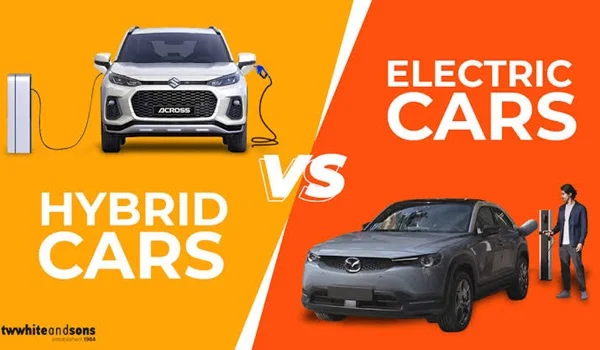
| Feature | Hybrid Car | Electric Car (EV) |
| Power Source | Petrol Engine + Electric Motor | Battery + Electric Motor |
| Fuel Requirement | Petrol Required | No Fuel Required |
| Running Cost | Low | Very Low |
| Purchase Price | High | Usually Higher |
| Maintenance | Moderate | Lower |
| Charging Requirement | Not Necessary (Self-Charging) | Required |
| Driving Range | Long | Limited Compared to Hybrid |
| Environmental Impact | Lower Emissions | Zero Tailpipe Emissions |
| Refueling Time | Few Minutes | Several Minutes to Hours |
| Best For | Mixed Usage | City Driving |
Running Cost Comparison
Running cost is one of the most important factors for Indian buyers.
| Factor | Hybrid Car | Electric Car |
| Fuel/Energy Cost | Low | Very Low |
| Cost Per Kilometer | Lower Than Petrol | Lowest |
| Monthly Running Expense | Moderate | Lowest |
| Daily Commute Cost | Low | Very Low |
| Long-Term Savings | Good | Excellent |
Winner: Electric Car
Electric cars are significantly cheaper to run because electricity costs much less than petrol.
Mileage and Efficiency Comparison
| Aspect | Hybrid Car | Electric Car |
| Fuel Efficiency | Excellent | Not Applicable |
| Energy Efficiency | High | Very High |
| City Driving Efficiency | Excellent | Excellent |
| Stop-and-Go Traffic Efficiency | Excellent | Excellent |
| Overall Efficiency | Very Good | Best |
Winner: Electric Car
Electric motors are more energy-efficient than hybrid systems.
Maintenance Comparison
| Factor | Hybrid Car | Electric Car |
| Engine Oil Changes | Required | Not Required |
| Moving Parts | More | Fewer |
| Routine Service Cost | Moderate | Lower |
| Mechanical Complexity | Higher | Lower |
| Long-Term Maintenance | Moderate | Lower |
Winner: Electric Car
EVs have fewer moving parts and lower maintenance requirements.
Performance Comparison
| Feature | Hybrid Car | Electric Car |
| Instant Torque | Good | Excellent |
| Acceleration | Good | Better |
| Driving Smoothness | Excellent | Excellent |
| Noise Levels | Low | Almost Silent |
| Driving Experience | Refined | More Modern |
Winner: Electric Car
Electric cars offer instant acceleration and a smoother driving experience.
Range Comparison
| Aspect | Hybrid Car | Electric Car |
| Driving Range | Very High | Moderate |
| Long-Distance Travel | Excellent | Good |
| Range Anxiety | Minimal | Possible |
| Travel Flexibility | Excellent | Moderate |
Winner: Hybrid Car
Hybrid cars can travel long distances without worrying about charging stations.
Refueling vs Charging Comparison
| Factor | Hybrid Car | Electric Car |
| Refueling Time | 3-5 Minutes | 30 Minutes to Several Hours |
| Fuel Station Availability | Excellent | Growing |
| Long Trip Convenience | Excellent | Moderate |
| Dependence on Charging Infrastructure | No | Yes |
Winner: Hybrid Car
Refueling a hybrid car is much quicker and more convenient.
Purchase Price Comparison
| Factor | Hybrid Car | Electric Car |
| Initial Cost | High | High to Very High |
| Entry-Level Options | Limited | Increasing |
| Government Incentives | Limited | More Available |
| Upfront Investment | High | High |
Winner: Depends on Model
Both vehicle types usually cost more than traditional petrol cars.
Environmental Impact Comparison
| Factor | Hybrid Car | Electric Car |
| Tailpipe Emissions | Low | Zero |
| Fuel Consumption | Reduced | None |
| Air Pollution | Lower | Minimal |
| Noise Pollution | Low | Very Low |
| Eco-Friendliness | Good | Excellent |
Winner: Electric Car
Electric cars produce zero tailpipe emissions and are cleaner during daily operation.
Infrastructure and Convenience Comparison
| Aspect | Hybrid Car | Electric Car |
| Fuel Availability | Excellent | Charging Network Growing |
| Home Charging Required | No | Recommended |
| Rural Area Suitability | Excellent | Moderate |
| Travel Convenience | Better | Good |
Winner: Hybrid Car
Hybrid cars are currently more convenient for users who travel frequently.
Pros and Cons of Hybrid Cars
| Pros | Cons |
| Excellent fuel efficiency | Higher purchase price |
| No charging required | More complex system |
| Long driving range | Maintenance cost higher than EV |
| Easy long-distance travel | Still uses petrol |
| Lower emissions than petrol cars | Limited model choices |
Pros and Cons of Electric Cars
| Pros | Cons |
| Lowest running cost | Charging infrastructure still developing |
| Zero tailpipe emissions | Higher upfront cost |
| Low maintenance | Charging takes time |
| Instant acceleration | Range limitations on some models |
| Quiet and smooth driving | Long trips require planning |
Which Vehicle is Best for Different Users?
| User Type | Recommended Option |
| Daily City Commuter | Electric Car |
| Office-Goers | Electric Car |
| Environment-Conscious Buyers | Electric Car |
| High Monthly Running Users | Electric Car |
| Frequent Highway Travelers | Hybrid Car |
| Rural Area Users | Hybrid Car |
| Buyers Without Home Charging | Hybrid Car |
| Family Road Trip Lovers | Hybrid Car |
Hybrid Cars vs Electric Cars: Side-by-Side Summary
| Category | Winner |
| Running Cost | Electric Car |
| Maintenance | Electric Car |
| Performance | Electric Car |
| Environmental Impact | Electric Car |
| Driving Range | Hybrid Car |
| Refueling Convenience | Hybrid Car |
| Long-Distance Travel | Hybrid Car |
| City Driving | Electric Car |
| Infrastructure Availability | Hybrid Car |
| Long-Term Savings | Electric Car |
Popular Examples in India
| Hybrid Cars | Electric Cars |
| Toyota Hyryder Hybrid | Tata Nexon EV |
| Maruti Suzuki Grand Vitara Hybrid | Tata Curvv EV |
| Toyota Innova HyCross Hybrid | MG Windsor EV |
| Honda City e:HEV | Mahindra BE 6 |
| Toyota Camry Hybrid | Tata Punch EV |
Final Verdict
The choice between hybrid cars and electric cars depends on your driving habits and charging accessibility.
Choose a hybrid car if:
- You frequently travel on highways.
- You want excellent fuel efficiency without charging concerns.
- You live in an area with limited charging infrastructure.
- You need maximum driving range.
Choose an electric car if:
- Most of your driving is within the city.
- You have access to home or workplace charging.
- You want the lowest running and maintenance costs.
- Environmental sustainability is a priority.
For urban Indian buyers with reliable charging facilities, electric cars are the future and offer the best long-term savings. However, for buyers who frequently travel long distances and want maximum convenience, hybrid cars remain a practical and reliable option.
FAQs
Q: Which is better, a hybrid car or an electric car?
A: It depends on your usage. Electric cars are better for city driving and low running costs, while hybrid cars are better for long-distance travel.
Q: Are electric cars cheaper to run than hybrid cars?
A: Yes. Electric cars generally have much lower running costs because electricity is cheaper than petrol.
Q: Do hybrid cars need charging?
A: Most self-charging hybrids do not require external charging. They charge their batteries while driving.
Q: Which has lower maintenance costs?
A: Electric cars usually have lower maintenance costs because they have fewer moving parts.
Q: Are hybrid cars good for highway driving?
A: Yes. Hybrid cars are excellent for highway travel due to their long range and quick refueling.
Q: Which vehicle is more environmentally friendly?
A: Electric cars are generally more environmentally friendly because they produce zero tailpipe emissions.
Q: Is range anxiety a problem with electric cars?
A: It can be for some users, especially on long trips where charging stations are limited.
Q: Should I buy a hybrid or electric car in India in 2026?
A: If you have access to charging and mostly drive in cities, an electric car is often the better choice. If you frequently travel long distances, a hybrid car may be more practical.
 admin
admin