
Buying car insurance is not just a legal requirement in India—it is also an important financial safety net. However, many car owners get confused when choosing between Comprehensive Car Insurance and Third-Party Car Insurance.
At first glance, third-party insurance looks attractive because it is cheaper. On the other hand, comprehensive insurance costs more but offers wider protection. The real question is: Is saving a few thousand rupees on premium worth the risk of paying lakhs in repair costs later?
In this detailed comparison, let’s understand the difference between comprehensive and third-party car insurance so you can choose the right policy for your vehicle.
Comprehensive vs Third-Party Car Insurance: Quick Comparison
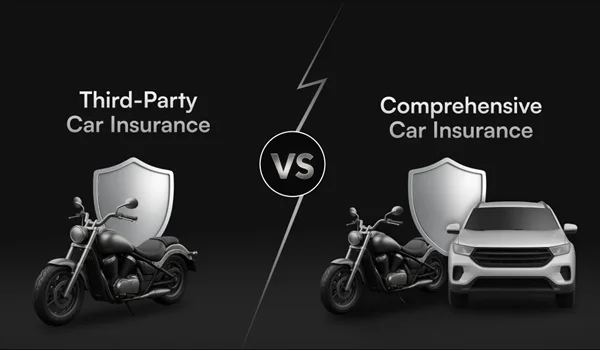
| Feature | Comprehensive Insurance | Third-Party Insurance |
| Legal Requirement | Optional but Recommended | Mandatory by Law |
| Covers Third-Party Damage | Yes | Yes |
| Covers Own Vehicle Damage | Yes | No |
| Theft Protection | Yes | No |
| Fire Damage Coverage | Yes | No |
| Natural Disaster Coverage | Yes | No |
| Premium Cost | Higher | Lower |
| Add-On Covers Available | Yes | No |
| Financial Protection | High | Limited |
| Best For | Most Car Owners | Budget-Focused Owners |
What is Third-Party Car Insurance?
Third-party insurance is the minimum insurance required under Indian motor vehicle laws.
It covers:
✅ Damage caused to another person’s vehicle
✅ Injury or death of a third party
✅ Property damage caused by your vehicle
It does not cover:
❌ Damage to your own car
❌ Theft of your vehicle
❌ Fire, flood, or natural disasters
❌ Personal accident damage to your vehicle
What is Comprehensive Car Insurance?
Comprehensive insurance includes third-party coverage along with protection for your own vehicle.
It covers:
✅ Third-party liabilities
✅ Own damage repairs
✅ Theft
✅ Fire
✅ Floods and storms
✅ Accidental damage
✅ Vandalism
✅ Add-on benefits
This makes comprehensive insurance a much broader protection plan.
Coverage Comparison
| Coverage Type | Comprehensive Insurance | Third-Party Insurance |
| Third-Party Injury | Yes | Yes |
| Third-Party Property Damage | Yes | Yes |
| Own Vehicle Damage | Yes | No |
| Theft Cover | Yes | No |
| Fire Damage | Yes | No |
| Flood Damage | Yes | No |
| Riot Damage | Yes | No |
| Accident Damage | Yes | No |
Winner: Comprehensive Insurance
Comprehensive policies offer significantly wider protection.
Premium Cost Comparison
| Factor | Comprehensive Insurance | Third-Party Insurance |
| Premium Amount | Higher | Lower |
| Initial Cost | More | Less |
| Coverage Value | High | Limited |
| Long-Term Financial Security | Better | Lower |
Winner: Third-Party Insurance
If budget is your only concern, third-party insurance is cheaper.
Claim Benefits Comparison
| Factor | Comprehensive Insurance | Third-Party Insurance |
| Own Damage Claim | Available | Not Available |
| Theft Claim | Available | Not Available |
| Natural Disaster Claim | Available | Not Available |
| Accident Repair Claim | Available | Not Available |
Winner: Comprehensive Insurance
Comprehensive plans allow claims for your own vehicle.
Protection Against Theft
| Aspect | Comprehensive Insurance | Third-Party Insurance |
| Vehicle Theft Cover | Yes | No |
| Total Loss Coverage | Yes | No |
| Financial Compensation | Available | Not Available |
Winner: Comprehensive Insurance
A stolen vehicle can result in huge losses without comprehensive coverage.
Protection Against Natural Disasters
| Event | Comprehensive Insurance | Third-Party Insurance |
| Flood Damage | Yes | No |
| Cyclone Damage | Yes | No |
| Storm Damage | Yes | No |
| Landslide Damage | Yes | No |
Winner: Comprehensive Insurance
This is especially important in flood-prone Indian cities.
Add-On Coverage Comparison
| Add-On Feature | Comprehensive Insurance | Third-Party Insurance |
| Zero Depreciation Cover | Yes | No |
| Engine Protection | Yes | No |
| Roadside Assistance | Yes | No |
| Return to Invoice Cover | Yes | No |
| Consumables Cover | Yes | No |
Winner: Comprehensive Insurance
Add-ons provide extra protection and peace of mind.
Financial Risk Comparison
| Scenario | Comprehensive Insurance | Third-Party Insurance |
| Minor Accident | Covered | Self-Pay |
| Major Accident | Covered | Self-Pay |
| Theft | Covered | Self-Pay |
| Flood Damage | Covered | Self-Pay |
| Fire Damage | Covered | Self-Pay |
Winner: Comprehensive Insurance
Financial risk is significantly lower with comprehensive coverage.
Pros and Cons of Comprehensive Car Insurance
| Pros | Cons |
| Covers own vehicle damage | Higher premium |
| Theft protection included | More expensive initially |
| Covers natural disasters | Annual renewal cost is higher |
| Add-on options available | Not ideal for very old low-value cars |
| Better financial security | – |
Pros and Cons of Third-Party Car Insurance
| Pros | Cons |
| Cheapest insurance option | No own damage cover |
| Legally compliant | No theft protection |
| Lower annual premium | No flood or fire cover |
| Suitable for old vehicles | Higher financial risk |
| Easy to purchase | No add-on benefits |
Which Insurance is Best for Different Users?
| User Type | Recommended Insurance |
| New Car Owner | Comprehensive |
| Luxury Car Owner | Comprehensive |
| SUV Owner | Comprehensive |
| Daily Commuter | Comprehensive |
| City Driver | Comprehensive |
| Used Car Owner (8+ Years Old) | Third-Party (Case Dependent) |
| Budget-Focused User | Third-Party |
| Rarely Used Vehicle Owner | Third-Party |
Comprehensive vs Third-Party Insurance: Side-by-Side Summary
| Category | Winner |
| Coverage | Comprehensive |
| Theft Protection | Comprehensive |
| Accident Protection | Comprehensive |
| Natural Disaster Cover | Comprehensive |
| Add-On Benefits | Comprehensive |
| Financial Security | Comprehensive |
| Premium Cost | Third-Party |
| Affordability | Third-Party |
| Value for Money | Comprehensive |
Example: Real-Life Cost Difference
Imagine your car suffers ₹1.5 lakh worth of accident damage.
| Scenario | Comprehensive Insurance | Third-Party Insurance |
| Repair Bill | Mostly Covered | Paid by Owner |
| Out-of-Pocket Expense | Low | ₹1.5 Lakh |
| Financial Stress | Low | High |
This example shows why many experts recommend comprehensive insurance despite its higher premium.
Final Verdict
The choice between Comprehensive vs Third-Party Car Insurance depends on your vehicle’s age, value, and risk tolerance.
Choose Comprehensive Insurance if:
- Your car is less than 7 years old.
- You want maximum protection.
- You drive frequently.
- You live in areas prone to floods or heavy traffic.
- You want coverage against theft and accidents.
Choose Third-Party Insurance if:
- Your vehicle is very old.
- Its market value is low.
- You want the cheapest legally valid insurance.
- You are comfortable bearing repair costs yourself.
For most Indian car owners, especially those with relatively new vehicles, Comprehensive Car Insurance is the smarter and safer option. The slightly higher premium can save you from significant financial losses in case of accidents, theft, or natural disasters.
FAQs
Q: Is third-party insurance mandatory in India?
A: Yes. Third-party motor insurance is legally mandatory for all vehicles on Indian roads.
Q: Is comprehensive insurance compulsory?
A: No. However, it is strongly recommended because it provides broader protection.
Q: Which insurance is better for a new car?
A: Comprehensive insurance is usually the best option for new cars.
Q: Does third-party insurance cover my own car damage?
A: No. It only covers damage caused to third parties.
Q: Does comprehensive insurance cover theft?
A: Yes. Most comprehensive policies provide theft protection.
Q: Is comprehensive insurance expensive?
A: It costs more than third-party insurance, but it offers much wider coverage and financial security.
Q: Can I convert third-party insurance into comprehensive insurance?
A: Yes. Most insurers allow policy upgrades during renewal.
Q: Which is better in 2026: comprehensive or third-party insurance?
A: For most Indian car owners, comprehensive insurance remains the better choice because it covers both third-party liabilities and damage to your own vehicle.
 admin
admin