
The Indian car market is changing rapidly, and electric vehicles (EVs) are becoming more popular every year. Rising petrol prices, government incentives, and growing awareness about pollution are encouraging many buyers to consider electric cars. At the same time, petrol cars continue to dominate the market because of their convenience, affordability, and widespread fuel availability.
So, which one is the better choice for Indian buyers—an electric car or a petrol car?
The answer depends on your budget, daily driving distance, charging facilities, and long-term ownership plans. In this detailed comparison, we’ll compare electric cars and petrol cars across all important factors to help you make the right decision.
Electric vs Petrol Car: Quick Comparison
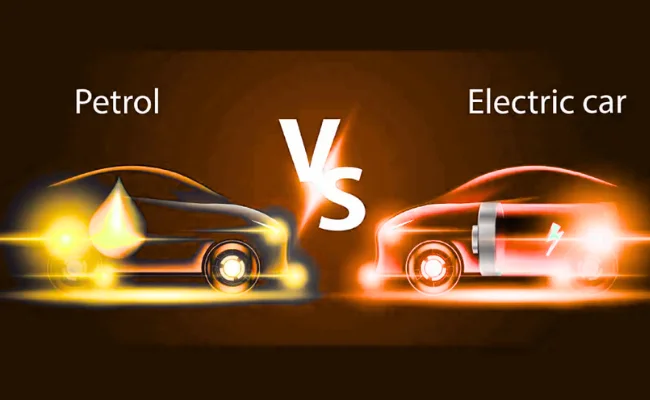
| Feature | Electric Car (EV) | Petrol Car |
| Purchase Price | Higher | Lower |
| Running Cost | Very Low | Higher |
| Maintenance | Lower | Higher |
| Performance | Instant Acceleration | Good |
| Fuel/Energy Source | Electricity | Petrol |
| Charging/Refueling Time | Longer | Very Fast |
| Range | Limited | Longer |
| Pollution | Zero Tailpipe Emissions | Produces Emissions |
| Service Requirements | Fewer Parts | More Components |
| Best For | Daily Urban Use | All-Round Usage |
Running Cost Comparison
Running cost is one of the biggest advantages of electric cars.
| Factor | Electric Car | Petrol Car |
| Energy Cost Per Km | Very Low | Higher |
| Monthly Fuel Expense | Lower | Higher |
| Daily Commuting Cost | Lowest | Higher |
| Long-Term Savings | Excellent | Moderate |
| Ownership Cost Over Time | Lower | Higher |
Winner: Electric Car
Charging an EV generally costs much less than filling petrol, making electric cars extremely economical for daily use.
Mileage and Efficiency Comparison
Since EVs don’t use fuel in liters, efficiency is measured differently.
| Aspect | Electric Car | Petrol Car |
| Energy Efficiency | Excellent | Good |
| Cost Per Kilometer | Lower | Higher |
| City Driving Efficiency | Excellent | Moderate |
| Stop-and-Go Traffic Efficiency | Excellent | Lower |
| Overall Operating Efficiency | Higher | Lower |
Winner: Electric Car
Electric motors are far more efficient than petrol engines.
Maintenance Comparison
| Factor | Electric Car | Petrol Car |
| Engine Oil Changes | Not Required | Required |
| Moving Parts | Fewer | More |
| Routine Service Cost | Lower | Higher |
| Wear and Tear | Lower | Higher |
| Long-Term Maintenance | Lower | Higher |
Winner: Electric Car
EVs have fewer mechanical components, resulting in lower maintenance expenses.
Performance Comparison
| Feature | Electric Car | Petrol Car |
| Instant Torque | Excellent | Moderate |
| Acceleration | Faster | Good |
| Noise Levels | Silent | Engine Noise Present |
| Driving Smoothness | Excellent | Good |
| Highway Performance | Good | Excellent |
Winner: Electric Car
Electric cars offer instant power delivery and a smoother driving experience.
Range Comparison
| Aspect | Electric Car | Petrol Car |
| Typical Range | Limited | Long |
| Long-Distance Travel | Moderate | Excellent |
| Refueling Flexibility | Limited | Excellent |
| Travel Convenience | Good | Better |
Winner: Petrol Car
Petrol cars remain more convenient for frequent long-distance travel.
Charging vs Refueling Comparison
| Factor | Electric Car | Petrol Car |
| Refueling Time | Several Minutes to Hours | Few Minutes |
| Home Refueling Option | Yes | No |
| Public Infrastructure | Growing | Extensive |
| Convenience During Trips | Moderate | Excellent |
Winner: Petrol Car
Petrol vehicles can be refueled almost anywhere within minutes.
Environmental Impact Comparison
| Factor | Electric Car | Petrol Car |
| Tailpipe Emissions | Zero | High |
| Air Pollution | Minimal | Higher |
| Carbon Footprint During Use | Lower | Higher |
| Noise Pollution | Very Low | Higher |
| Eco-Friendliness | Better | Lower |
Winner: Electric Car
EVs are significantly cleaner during everyday operation.
Purchase Price Comparison
| Factor | Electric Car | Petrol Car |
| Initial Cost | Higher | Lower |
| Entry-Level Options | Limited | Numerous |
| Government Incentives | Available in Some Areas | Limited |
| Upfront Investment | High | Moderate |
Winner: Petrol Car
Petrol cars remain more affordable for budget-conscious buyers.
Pros and Cons of Electric Cars
| Pros | Cons |
| Extremely low running cost | Higher purchase price |
| Low maintenance expenses | Charging takes time |
| Instant acceleration | Limited charging infrastructure in some areas |
| Eco-friendly operation | Range anxiety for some users |
| Quiet and smooth driving experience | Battery replacement can be expensive |
Pros and Cons of Petrol Cars
| Pros | Cons |
| Lower purchase price | Higher fuel costs |
| Easy refueling | More maintenance |
| Better long-distance convenience | Produces emissions |
| Widely available fuel stations | Higher running cost |
| More model choices available | Less efficient than EVs |
Which Car is Best for Different Users?
| User Type | Recommended Option |
| Daily City Commuter | Electric Car |
| Office-Goers | Electric Car |
| Environment-Conscious Buyers | Electric Car |
| High Monthly Running Users | Electric Car |
| Frequent Highway Travelers | Petrol Car |
| Rural Area Users | Petrol Car |
| First-Time Budget Buyers | Petrol Car |
| Buyers Without Home Charging | Petrol Car |
Electric vs Petrol: Long-Term Cost Comparison
| Expense Category | Electric Car | Petrol Car |
| Purchase Cost | Higher | Lower |
| Fuel/Energy Cost | Very Low | High |
| Maintenance Cost | Lower | Higher |
| Annual Operating Cost | Lower | Higher |
| Long-Term Ownership Cost | Often Lower | Higher |
Winner: Electric Car
Although EVs cost more initially, they can save significant money over several years of ownership.
Electric vs Petrol: Side-by-Side Summary
| Category | Winner |
| Running Cost | Electric |
| Maintenance | Electric |
| Performance | Electric |
| Purchase Price | Petrol |
| Long-Distance Travel | Petrol |
| Refueling Convenience | Petrol |
| Environmental Impact | Electric |
| City Driving | Electric |
| Highway Driving | Petrol |
| Long-Term Savings | Electric |
Final Verdict
The electric vs petrol car debate doesn’t have a one-size-fits-all answer. The best choice depends on your lifestyle and driving needs.
Choose an electric car if:
- You drive mainly within the city.
- You have access to home or workplace charging.
- You want the lowest running costs.
- You plan to keep the vehicle for many years.
- Environmental impact is important to you.
Choose a petrol car if:
- You frequently travel long distances.
- You don’t have reliable charging access.
- You want a lower upfront purchase cost.
- You need maximum flexibility for road trips.
For most urban Indian buyers with predictable daily driving, electric cars are becoming an excellent long-term investment. However, for people who regularly travel long distances or live in areas with limited charging infrastructure, petrol cars still offer greater convenience and practicality.
FAQs
Q: Which is cheaper to run, an electric car or a petrol car?
A: Electric cars are significantly cheaper to run because electricity costs much less per kilometer than petrol.
Q: Is an electric car better than a petrol car?
A: For city driving and low running costs, electric cars are often better. For long-distance travel and convenience, petrol cars still have advantages.
Q: Do electric cars require less maintenance?
A: Yes. EVs have fewer moving parts and do not require engine oil changes, reducing maintenance costs.
Q: Which car is better for highway driving?
A: Petrol cars are generally better for long highway journeys because of faster refueling and wider fuel availability.
Q: How long does an electric car battery last?
A: Most EV batteries are designed to last many years and are usually covered by long manufacturer warranties.
Q: Is charging an electric car expensive?
A: No. Charging costs are generally much lower than petrol expenses for the same distance traveled.
Q: Can I buy an electric car without a home charger?
A: Yes, but having access to home charging makes EV ownership much more convenient.
Q: Should I buy an electric or petrol car in India in 2026?
A: If your daily driving is mostly within the city and charging is available, an electric car is often the smarter long-term choice. For frequent highway users, a petrol car remains a practical option.
 admin
admin