
Finding out that your bank account has been frozen or blocked can be worrying, especially when you need access to your money for daily expenses, business payments, or important bills. A frozen account may prevent you from withdrawing money, making transfers, using a debit card, or carrying out certain banking activities.
There can be several reasons for an account restriction. It may be related to KYC requirements, unusual transactions, a legal or regulatory instruction, suspected fraud, unpaid obligations, or information that needs to be verified. The first step is to understand why the account has been restricted and then follow the appropriate process to restore access.
Check What Type of Restriction Has Been Placed
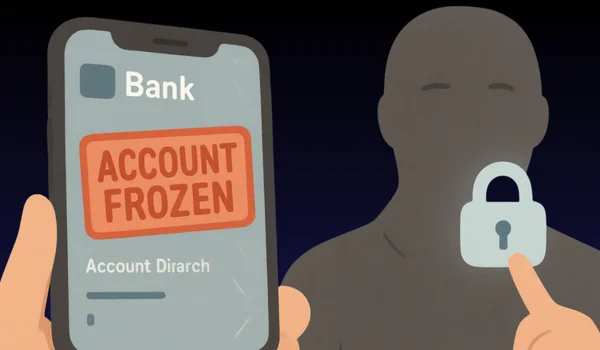
A bank account being “blocked” does not always mean that every banking service has been stopped.
The bank may place different types of restrictions, such as:
- Debit freeze
- Temporary transaction restriction
- Complete account freeze
- Restriction on online transactions
- ATM or card restriction
- KYC-related restriction
- Restriction on a particular amount
Ask the bank exactly what restriction has been placed on the account. Understanding the type of restriction can help you determine what needs to be done next.
Contact Your Bank Immediately
The first practical step is to contact your bank through an official branch or customer-service channel.
Ask the bank why the account has been frozen and whether any action is required from your side.
Depending on the reason, the bank may ask you to provide updated information, complete KYC formalities, explain a transaction, or submit specific documents.
Do not rely only on information received through an unknown phone number or message. Use verified bank contact details.
Check Your KYC Information
One common reason for restrictions on banking services is incomplete or outdated KYC information.
If your address, mobile number, identification details, or other customer information has changed, the bank may ask you to update its records.
The bank may require documents or verification depending on your circumstances.
After completing the required KYC process, ask the bank when the restriction is expected to be removed.
Ask Whether a Transaction Caused the Restriction
Sometimes an account may be restricted because the bank’s systems have identified a transaction that requires additional verification.
This does not automatically mean that the account holder has done anything wrong. Banks may review unusual activity as part of their fraud-prevention and regulatory procedures.
If the bank asks about a particular transaction, provide accurate information and supporting records where appropriate.
For business accounts, invoices, payment records, contracts, or other legitimate transaction documents may help explain the source and purpose of a payment.
If You Suspect Fraud
If you notice an unfamiliar transaction before or after the account is frozen, inform the bank immediately.
Tell the bank that you do not recognize the transaction and ask what steps are required to protect the account.
Change relevant banking passwords or access credentials if the bank advises you to do so, and monitor your account for additional suspicious activity.
Never share an OTP, PIN, password, or other confidential banking credentials with someone claiming to be helping you unblock the account.
Understand Legal or Regulatory Freezes
A bank may sometimes restrict an account because it has received an instruction or order from an authorized government, law-enforcement, regulatory, or judicial authority.
In such cases, the bank may not be able to remove the restriction simply because the customer requests it.
Ask the bank whether the restriction is based on an external instruction and, where permitted, request information about the authority or reference involved.
If the matter involves a legal order or investigation, professional legal advice may be appropriate.
Do Not Try to Bypass the Restriction
If your account has been frozen, do not attempt to bypass the restriction by creating suspicious transactions, transferring funds through another person’s account, or using someone else’s banking credentials.
Such actions can create additional complications.
Instead, work through the bank’s official complaint and verification process.
Keep All Relevant Documents Ready
Depending on the reason for the freeze, the bank may request different documents.
You may need information such as:
- Account details
- Identity information
- Updated KYC information
- Transaction records
- Proof relating to a particular payment
- Business documents, where applicable
- Relevant correspondence with the bank
Only provide documents through legitimate banking channels.
Keep copies of everything you submit and note the date on which you submitted it.
Ask for a Complaint or Service Request Number
If the issue is not resolved during your first interaction with the bank, request a complaint or service-request number.
Record:
- Complaint number
- Date of complaint
- Branch or department contacted
- Name or designation of the official, where available
- Documents submitted
- Responses received
This creates a clear record of your efforts to resolve the matter.
Escalate the Matter If Necessary
If you have completed the requirements requested by the bank but the problem remains unresolved, use the bank’s formal grievance-redressal process.
Start with the bank’s designated customer-service or grievance department and keep records of the correspondence.
If the complaint remains unresolved after following the bank’s prescribed process, you may have access to the applicable banking grievance mechanism available to customers.
The appropriate route depends on the nature of the complaint and the institution involved.
What If You Need Money for Urgent Expenses?
If your account is temporarily restricted, consider contacting the bank to understand whether any portion of the account can legally be accessed or whether another permitted banking arrangement is available.
Do not attempt to circumvent the freeze.
If you have other legitimate financial resources, use them only through accounts and payment methods that are properly in your name and compliant with applicable requirements.
Be Careful About Fake “Account Unblocking” Services
A frozen bank account can make people vulnerable to scams.
Fraudsters may claim that they work for a bank or government department and demand money to remove the restriction.
They may also ask for:
- OTP
- UPI PIN
- ATM PIN
- Internet banking password
- Card details
- Remote access to your phone or computer
Do not provide such information.
If you receive a suspicious message or call, contact your bank independently through its official customer-service channel.
How to Avoid Future Account Restrictions
Keeping your banking information updated can reduce problems in the future.
Make sure the bank has your current contact details and complete required KYC updates when requested.
For business accounts, maintain proper records of transactions and keep supporting documents for significant payments.
Regularly monitor your account statements so that unusual transactions can be identified quickly.
It is also important to use your own banking credentials and avoid allowing unknown individuals to operate your account.
Conclusion
A frozen or blocked bank account should be handled through the bank’s official process rather than by trying to bypass the restriction. Start by finding out exactly why the account has been restricted and whether the issue relates to KYC, unusual activity, suspected fraud, or an external legal or regulatory instruction.
Provide the required information or documents, keep records of your communication, and obtain a complaint or service-request number when necessary. If the restriction involves a legal or regulatory matter, additional procedures may apply.
Most importantly, stay alert to scams. Legitimate banks do not require you to share confidential passwords, PINs, or OTPs with strangers to unblock an account. Careful record-keeping, updated KYC information, and regular account monitoring can help prevent similar problems in the future.