
Buying a car is one of the biggest financial decisions for most Indian families. However, today buyers have two popular options: leasing a car or buying a car. While car ownership has traditionally been the preferred choice in India, car leasing is gradually gaining popularity among professionals, corporate employees, and people who like driving a new vehicle every few years.
At first glance, leasing may seem cheaper because of lower monthly payments. On the other hand, buying a car helps you build ownership and long-term value. So, which option is better?
In this detailed comparison, we’ll compare lease vs buy car based on cost, ownership, maintenance, flexibility, depreciation, and overall financial impact.
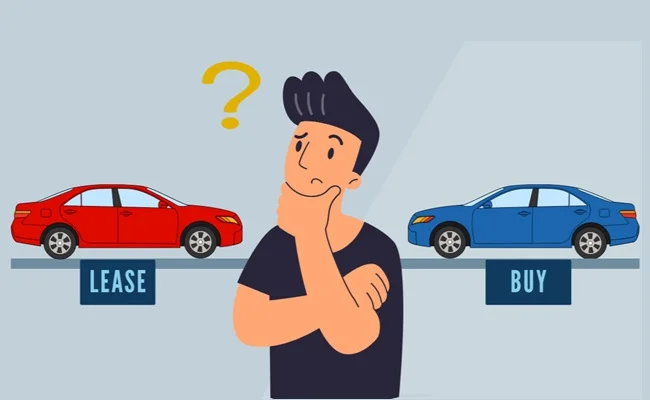
Lease vs Buy Car: Quick Comparison
| Feature | Lease a Car | Buy a Car |
| Ownership | No | Yes |
| Initial Cost | Lower | Higher |
| Monthly Payments | Lower | Higher |
| Long-Term Cost | Continuous Expense | Can Be Lower |
| Vehicle Ownership After Term | No | Yes |
| Customization Allowed | Limited | Full Freedom |
| Mileage Restrictions | Usually Yes | No |
| Resale Value Benefit | No | Yes |
| Maintenance Responsibility | Often Lower | Owner’s Responsibility |
| Best For | Short-Term Users | Long-Term Users |
Ownership Comparison
The biggest difference between leasing and buying is ownership.
| Factor | Lease a Car | Buy a Car |
| Legal Ownership | Leasing Company | You |
| Asset Creation | No | Yes |
| Vehicle Ownership at End | No | Yes |
| Long-Term Value | No | Yes |
Winner: Buy Car
When you buy a car, you eventually own an asset that can be sold later.
Initial Cost Comparison
| Factor | Lease a Car | Buy a Car |
| Down Payment | Lower | Higher |
| Upfront Investment | Lower | Higher |
| Processing Charges | Moderate | Moderate |
| Immediate Financial Burden | Lower | Higher |
Winner: Lease Car
Leasing requires less money upfront.
Monthly Payment Comparison
| Factor | Lease a Car | Buy a Car |
| Monthly Cost | Lower | Higher |
| EMI Burden | Lower | Higher |
| Cash Flow Impact | Better | Higher |
| Budget Flexibility | Better | Moderate |
Winner: Lease Car
Monthly lease payments are often lower than car loan EMIs.
Long-Term Financial Cost Comparison
| Factor | Lease a Car | Buy a Car |
| Payments Continue Forever | Yes | No |
| Asset Ownership | No | Yes |
| Vehicle Value Recovery | No | Yes |
| Cost Over 8-10 Years | Higher | Lower |
Winner: Buy Car
Buying is usually more economical if you keep the vehicle for many years.
Maintenance Comparison
| Factor | Lease a Car | Buy a Car |
| Warranty Coverage | Usually Included | Depends on Vehicle Age |
| Repair Responsibility | Lower | Higher |
| Unexpected Repair Costs | Lower | Higher |
| Maintenance Stress | Lower | Higher |
Winner: Lease Car
Most leased vehicles remain under warranty, reducing maintenance worries.
Depreciation Comparison
| Factor | Lease a Car | Buy a Car |
| Depreciation Risk | Leasing Company Bears Most Risk | Owner Bears Risk |
| Resale Value Concern | No | Yes |
| Market Value Fluctuation Impact | Low | High |
Winner: Lease Car
You don’t need to worry about resale value when leasing.
Flexibility Comparison
| Aspect | Lease a Car | Buy a Car |
| Vehicle Upgrade Frequency | Easy | Moderate |
| Switching Cars | Easy | Difficult |
| Ownership Freedom | Limited | Complete |
| Long-Term Flexibility | Moderate | High |
Winner: Depends on Usage
Leasing offers easy upgrades, while buying offers complete ownership freedom.
Mileage Restriction Comparison
| Factor | Lease a Car | Buy a Car |
| Annual Mileage Limits | Usually Present | No Limits |
| Extra Kilometer Charges | Yes | No |
| Long-Distance Travel Freedom | Limited | Unlimited |
| Road Trip Convenience | Moderate | Excellent |
Winner: Buy Car
Owners can drive as much as they want without penalties.
Customization Comparison
| Factor | Lease a Car | Buy a Car |
| Modification Freedom | Limited | Full Freedom |
| Accessories Installation | Restricted | Allowed |
| Paint & Styling Changes | Restricted | Allowed |
| Personalization | Limited | Excellent |
Winner: Buy Car
Buying allows complete customization according to personal preferences.
Tax Benefits Comparison
| Factor | Lease a Car | Buy a Car |
| Corporate Tax Benefits | Possible | Limited |
| Salary Structure Benefits | Available for Some Employees | Limited |
| Business Expense Benefits | Better | Moderate |
Winner: Lease Car
Leasing can provide tax advantages for certain salaried professionals and businesses.
Environmental Impact Comparison
| Factor | Lease a Car | Buy a Car |
| Access to New Efficient Models | Easier | Less Frequent |
| Emission Standards | Usually Latest | Depends on Vehicle Age |
| Fuel Efficiency Over Time | Better | Varies |
Winner: Lease Car
Frequent upgrades often mean access to newer, cleaner vehicles.
Pros and Cons of Leasing a Car
| Pros | Cons |
| Lower monthly payments | No ownership |
| Lower upfront cost | Mileage restrictions |
| Easy upgrades | Continuous payments |
| Less maintenance stress | Customization limitations |
| Depreciation risk avoided | No resale value benefit |
Pros and Cons of Buying a Car
| Pros | Cons |
| Full ownership | Higher upfront cost |
| No mileage restrictions | Depreciation loss |
| Can sell later | Higher monthly EMI |
| Freedom to modify | Maintenance responsibility |
| Better long-term value | Resale process required |
Which Option is Best for Different Users?
| User Type | Recommended Option |
| Corporate Employee | Lease Car |
| Business Owner | Lease Car |
| Frequent Vehicle Upgrader | Lease Car |
| Short-Term User | Lease Car |
| Family Buyer | Buy Car |
| Long-Term Owner | Buy Car |
| High Mileage Driver | Buy Car |
| Car Enthusiast | Buy Car |
Lease vs Buy Car: Side-by-Side Summary
| Category | Winner |
| Ownership | Buy |
| Initial Cost | Lease |
| Monthly Payments | Lease |
| Long-Term Value | Buy |
| Maintenance | Lease |
| Depreciation Protection | Lease |
| Mileage Freedom | Buy |
| Customization | Buy |
| Tax Benefits | Lease |
| Asset Creation | Buy |
Example: Lease vs Buy Cost Scenario
Suppose a car costs ₹12 lakh.
| Expense | Lease Car | Buy Car |
| Initial Cost | Lower | Higher |
| Monthly Payment | Lower | Higher |
| Ownership After 5 Years | No | Yes |
| Resale Value Recovery | No | Yes |
| Long-Term Wealth Creation | No | Yes |
In many cases, buying becomes financially beneficial if you plan to keep the vehicle for more than 5–7 years.
Final Verdict
The choice between leasing and buying a car depends on your financial goals and vehicle usage.
Choose Lease a Car if:
- You like driving a new car every few years.
- You want lower monthly payments.
- You prefer hassle-free ownership.
- You are a corporate employee with leasing benefits.
- You don’t drive extremely high distances.
Choose Buy a Car if:
- You plan to keep the car for many years.
- You want complete ownership.
- You drive frequently.
- You want to build long-term value.
- You prefer unlimited usage and customization.
For most Indian families, buying a car remains the better long-term financial decision because it creates ownership and allows resale value recovery. However, leasing can be an attractive option for professionals and businesses seeking flexibility and lower monthly expenses.
FAQs
Q: Is leasing a car cheaper than buying?
A: Leasing usually has lower monthly payments, but buying may cost less in the long run because you own the vehicle.
Q: Do I own the car after the lease ends?
A: No. In most lease agreements, ownership remains with the leasing company.
Q: Which option is better for long-term use?
A: Buying is generally better if you plan to keep the vehicle for many years.
Q: Are there mileage limits on leased cars?
A: Yes. Most lease agreements include annual mileage limits.
Q: Can I modify a leased car?
A: Usually, major modifications are not allowed on leased vehicles.
Q: Is leasing popular in India?
A: Car leasing is growing, especially among corporate employees and business owners.
Q: Which option has lower monthly payments?
A: Leasing generally offers lower monthly payments compared to car loan EMIs.
Q: Should I lease or buy a car in India in 2026?
A: If flexibility and lower monthly expenses are your priorities, leasing can be a good option. If you want ownership and long-term value, buying is usually the smarter financial choice.
 admin
admin