
India is witnessing a major transformation in its transportation sector, driven by the rapid adoption of electric vehicles (EVs). Rising fuel costs, government incentives, environmental concerns, and advancements in battery technology are accelerating the shift toward sustainable mobility. As a result, electric vehicle franchise businesses are emerging as one of the most promising investment opportunities for entrepreneurs across the country.
The EV ecosystem is expanding beyond vehicle manufacturing to include charging infrastructure, battery swapping stations, EV dealerships, maintenance centers, and mobility services. This growing network presents significant opportunities for franchise models that can cater to the increasing demand for electric transportation solutions.
The Growing EV Market in India
India’s electric vehicle market has experienced remarkable growth in recent years. Government initiatives such as the Faster Adoption and Manufacturing of Electric Vehicles (FAME) scheme, state-level subsidies, and favorable policies have encouraged both consumers and businesses to embrace electric mobility.
As EV adoption continues to rise, franchise businesses that support this ecosystem are expected to benefit from increasing consumer demand and long-term market expansion.
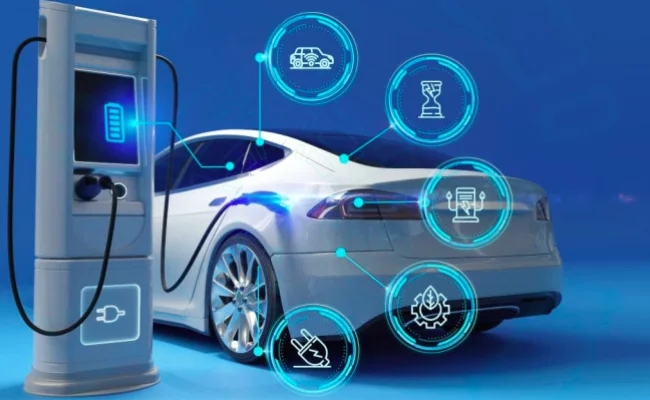
Why EV Franchises Are Attracting Entrepreneurs
Electric vehicle franchise businesses offer several advantages compared to traditional automotive ventures:
- Growing market demand
- Government support and incentives
- Sustainable business positioning
- Lower operational costs
- Strong future growth potential
- Increasing consumer awareness
For first-time entrepreneurs and experienced investors alike, EV franchises provide an opportunity to enter a rapidly evolving industry with significant scalability.
Expansion of EV Charging Infrastructure
One of the most critical components of India’s EV future is charging infrastructure. As electric vehicle ownership increases, the need for accessible and reliable charging stations will grow substantially.
Entrepreneurs investing in EV charging station franchises can capitalize on this demand by establishing charging hubs in residential areas, commercial complexes, highways, and urban centers. The charging infrastructure segment is expected to become a cornerstone of India’s electric mobility ecosystem.
Rise of Electric Mobility Services
The growth of ride-sharing and last-mile connectivity services is creating new opportunities for EV-based franchise models. Electric two-wheelers and three-wheelers are becoming increasingly popular for delivery services, commuter transportation, and shared mobility solutions.
Business models that combine electric mobility with technology-driven transportation services are likely to play a crucial role in the future of urban mobility. Entrepreneurs interested in transportation-based franchise opportunities often explore options such as the Rapido franchise cost to better understand investment requirements and operational models within the mobility sector.
Battery Swapping: A Game-Changer
Battery swapping technology is emerging as a viable solution to one of the biggest challenges facing EV adoption—charging time. Battery swapping stations allow users to exchange depleted batteries for fully charged ones within minutes.
This model is particularly attractive for commercial fleets, delivery services, and urban transportation providers. As battery standardization improves, battery swapping franchises could become a highly profitable segment of the EV industry.
Opportunities in EV Sales and Service Centers
As the number of electric vehicles on Indian roads increases, the demand for specialized sales and service centers will continue to grow. Unlike conventional vehicles, EVs require trained technicians, advanced diagnostic tools, and specialized maintenance services.
Franchise businesses focused on EV dealerships and service centers can benefit from recurring revenue streams while supporting the long-term growth of the industry.
Government Support Driving Growth
Government policies remain one of the strongest catalysts for EV franchise expansion. Financial incentives, tax benefits, infrastructure development programs, and manufacturing support initiatives are encouraging investment throughout the electric mobility value chain.
This favorable regulatory environment enhances the attractiveness of EV-related franchise opportunities and reduces some of the risks typically associated with emerging industries.
Challenges to Consider
Despite the optimistic outlook, entrepreneurs should carefully evaluate potential challenges before investing:
- Evolving technology standards
- Infrastructure development timelines
- Initial capital requirements
- Market competition
- Consumer adoption rates
- Regulatory changes
A thorough understanding of local market conditions and long-term industry trends is essential for making informed investment decisions.
The Road Ahead
The future of electric vehicle franchise businesses in India appears exceptionally promising. As the nation continues its transition toward sustainable transportation, entrepreneurs who establish a presence in the EV ecosystem today may be well-positioned to benefit from substantial future growth.
Whether through charging stations, battery swapping networks, EV dealerships, mobility services, or maintenance centers, franchise opportunities are expected to expand significantly over the next decade.
For entrepreneurs seeking expert business insights, franchise opportunities, and industry analysis, BusinessUnfold.com serves as a valuable resource for navigating India’s rapidly evolving business landscape.
Conclusion
Electric vehicle franchise businesses represent one of the most exciting investment opportunities in modern India. Supported by government initiatives, technological innovation, growing environmental awareness, and increasing consumer demand, the EV sector is poised for long-term expansion. Entrepreneurs who strategically enter this market today can position themselves at the forefront of India’s electric mobility revolution while building sustainable and profitable businesses for the future.