
A daily routine can make life more organised, productive and less stressful. However, creating a routine is often easier than following one. Many people make detailed schedules that include too many tasks, strict timings and unrealistic goals. After a few days, the routine becomes difficult to maintain and is eventually abandoned.
A useful daily routine does not need to be perfect. It should fit your lifestyle, energy levels, responsibilities and priorities. The goal is to create a practical structure that helps you complete important tasks without making every minute of the day feel controlled. With a few simple changes, you can build a routine that is easier to follow consistently.
Start With Your Current Lifestyle
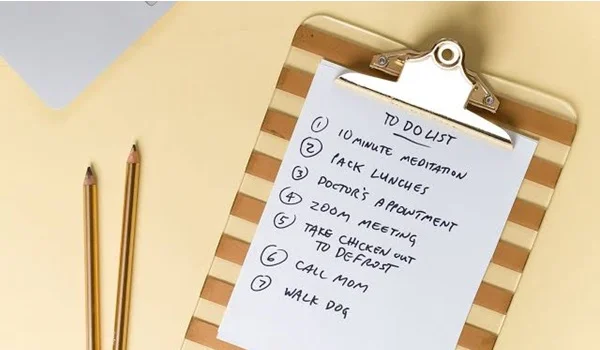
Before creating a new routine, look at how your day currently works. Note when you usually wake up, work or study, eat meals, relax, use your phone and go to bed.
This gives you a realistic picture of your existing habits. You may discover that some parts of your day already work well and do not need major changes.
Instead of completely replacing your current schedule, improve it gradually. A routine that fits your existing lifestyle is generally easier to maintain than one that requires a complete change from the first day.
Identify Your Most Important Priorities
You cannot fit everything into one day. Start by identifying the activities that matter most.
These may include work, studies, exercise, household responsibilities, family time, personal development or rest.
Choose a few important priorities rather than creating a long list of tasks. Your routine should help you protect time for these priorities.
For example, if exercise is important, decide when you can realistically include it. If studying is your priority, set aside a specific period when you can concentrate without unnecessary distractions.
Keep Your Routine Simple
One of the biggest mistakes people make is creating an overly complicated schedule.
A routine containing dozens of tasks can quickly become difficult to follow. Instead, divide your day into broad sections such as morning, work or study time, evening and bedtime.
You can then assign a few important activities to each section.
For example, your morning routine might include waking up, getting ready, eating breakfast and reviewing the day’s priorities. It does not need to contain a long list of activities just to make the schedule look productive.
Simple routines are easier to remember and adjust.
Create a Consistent Wake-Up and Sleep Schedule
Sleep has a major influence on your energy and concentration during the day. Try to maintain reasonably consistent sleeping and waking times.
A regular sleep schedule can make your day more predictable. Avoid creating a routine that requires you to wake up extremely early if you regularly sleep late.
Instead, choose a wake-up time that allows you to get adequate rest and fits your responsibilities.
Your bedtime routine can include activities such as preparing clothes for the next day, organising your belongings and reducing unnecessary screen use before sleeping.
Plan Your Day the Night Before
Spending a few minutes planning the next day can reduce morning confusion.
Before going to bed, write down the most important tasks for the following day. Check your calendar, prepare anything you need and decide which task should receive your attention first.
Do not create an enormous task list. Select a few realistic priorities.
Knowing what needs to be done before the day begins can help you start with greater clarity.
Use Time Blocks Instead of Constant Scheduling
You do not have to plan every minute of your day.
Time blocking can be a more practical approach. Assign general periods for specific types of activities.
For example, you might reserve one period for focused work, another for household tasks and another for exercise or personal activities.
This provides structure without making the routine too rigid. If one activity takes longer than expected, you can adjust the rest of the day without feeling that the entire schedule has failed.
Include Breaks and Rest
A routine that contains only work and responsibilities is difficult to maintain.
Breaks are important because continuous concentration can lead to tiredness and reduced productivity. Include short breaks between demanding activities and reserve some time for relaxation.
Rest should not be treated as wasted time. Proper rest can help you maintain energy and make it easier to continue your routine over the long term.
Keep Phone Distractions Under Control
Mobile phones can easily interrupt a routine. Notifications, social media, videos and messages can consume more time than expected.
You do not necessarily need to stop using your phone completely. Instead, create specific periods for checking messages and social media.
During focused work or study, consider keeping unnecessary notifications turned off or placing the phone away from your immediate workspace.
Controlling distractions can make the same amount of available time much more productive.
Build Habits Around Existing Activities
One effective way to make a new habit easier is to connect it with something you already do regularly.
For example, you can stretch after waking up, review your priorities after breakfast or prepare your next day’s tasks after dinner.
When a new activity is attached to an established habit, it becomes easier to remember.
Start with small actions rather than trying to introduce several major habits at the same time.
Leave Extra Time Between Tasks
A common scheduling mistake is assuming that everything will happen exactly on time.
Travel, unexpected phone calls, household responsibilities and other interruptions can easily delay a task.
Leave some empty space between important activities. This gives you flexibility when something takes longer than expected.
A routine should guide your day, not create additional stress whenever plans change.
Follow the Two-Minute Start
Sometimes the hardest part of following a routine is getting started.
If a task feels difficult, commit to doing it for just two minutes. Open the book, write the first sentence, put on your exercise shoes or organise the first few items.
Starting reduces the mental resistance associated with a task. Once you begin, continuing may feel easier.
The purpose of this method is not to complete everything in two minutes. It is to make starting less difficult.
Do Not Expect Perfection
Missing one day does not mean your routine has failed.
There may be days when you are sick, travelling, extremely busy or dealing with an unexpected responsibility. Instead of abandoning the routine, return to it the following day.
Consistency does not mean following the schedule perfectly every single day. It means continuing to return to your important habits.
Avoid the mindset that one missed day requires starting over from zero.
Review and Improve Your Routine
After following your routine for a week or two, review how well it works.
Ask yourself which activities are easy to maintain and which ones regularly cause problems. If you repeatedly fail to complete a task at a particular time, the problem may be the schedule rather than your discipline.
Perhaps the task needs more time, a different time of day or a smaller target.
A good routine should evolve as your responsibilities and priorities change.
Focus on Consistency Over Productivity
A daily routine is not successful simply because it contains many completed tasks.
The real purpose is to create a predictable structure that supports your important goals while leaving enough room for rest and unexpected events.
Instead of trying to make every day extremely productive, focus on completing a few important activities consistently.
Small habits repeated over time can have a greater impact than ambitious schedules followed for only a few days.
Conclusion
Building a daily routine you can actually follow requires simplicity, flexibility and realistic expectations. Start by understanding your current lifestyle, identify your priorities and create a manageable schedule around them.
Keep your wake-up and sleep times reasonably consistent, plan the next day in advance, control distractions and include enough breaks and rest. Most importantly, do not expect perfection. If your routine stops working, adjust it rather than abandoning it.
The best routine is not the most detailed or demanding one. It is the one that fits your real life and can be followed consistently over time.