
Managing monthly expenses can be difficult when small purchases keep adding up. A coffee here, an online order there, frequent food delivery, subscriptions, shopping discounts and unplanned expenses can slowly consume a large part of your income. Overspending does not always happen because of one major purchase. In many cases, it is the result of repeated small decisions that are not properly tracked.
The good news is that controlling expenses does not require giving up everything you enjoy. The main goal is to understand where your money is going, set practical limits and develop better spending habits. With a simple monthly system, you can reduce unnecessary expenses and make your income work more effectively.
Understand Where Your Money Goes
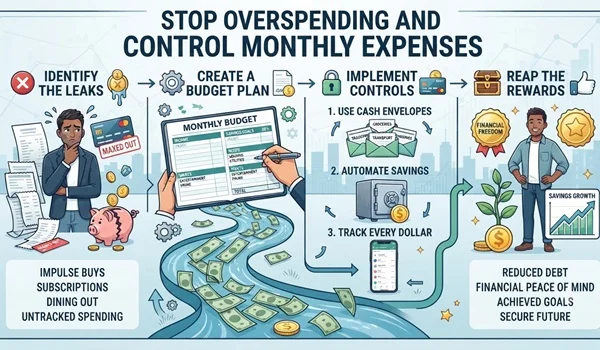
The first step to controlling overspending is knowing exactly how much you spend. Many people remember their major bills but forget smaller daily purchases.
For one month, record every expense. Include rent, electricity, groceries, transport, eating out, shopping, entertainment, subscriptions, loan payments and other spending.
Once you have the information, divide expenses into categories. This makes it easier to identify areas where you may be spending more than necessary.
For example, you may discover that food delivery, online shopping or entertainment is taking a larger portion of your monthly income than expected.
Separate Needs From Wants
A useful way to control spending is to distinguish between needs and wants.
Needs are expenses that are important for daily life, such as housing, food, utilities, transportation, education and essential medical costs. Wants include things such as unnecessary shopping, expensive dining, entertainment purchases and items bought mainly because they look attractive.
Before making a purchase, ask yourself whether you actually need it or simply want it at that moment.
This does not mean that you should never spend money on wants. Instead, include them in your budget so they remain under control.
Create a Realistic Monthly Budget
A budget gives every part of your income a purpose. Start by calculating your monthly take-home income and listing your regular expenses.
You can divide your money into categories such as:
- Essential household expenses
- Food and groceries
- Transportation
- Loan or debt payments
- Savings
- Insurance and financial commitments
- Entertainment and personal spending
- Emergency expenses
Do not create a budget that is so strict that it becomes impossible to follow. A realistic budget should allow some room for personal enjoyment while keeping unnecessary spending within limits.
Set a Spending Limit for Flexible Expenses
Some expenses change from month to month. Shopping, eating out, entertainment and hobbies are examples of flexible spending.
Instead of trying to eliminate these expenses completely, set a fixed monthly limit.
For example, if you decide to spend ₹3,000 on entertainment and personal purchases, treat that amount as your maximum for the month. Once the limit is reached, avoid additional non-essential purchases until the next month.
This simple rule can prevent small purchases from turning into a large financial problem.
Follow the 24-Hour Rule
Impulse purchases are one of the common causes of overspending. Online shopping makes it particularly easy to buy something immediately.
When you want to purchase a non-essential item, wait for 24 hours before completing the purchase. For more expensive items, you can wait several days.
During this period, ask yourself whether you still need the item, whether you already own something similar and whether the purchase fits your monthly budget.
Often, the desire to buy something becomes weaker after some time.
Reduce Unnecessary Subscriptions
Subscriptions can quietly increase monthly expenses because many payments happen automatically.
Check your bank or card statements and make a list of recurring payments. Look for streaming services, apps, memberships, cloud storage, fitness subscriptions and other services you rarely use.
Cancel subscriptions that you no longer need. If you use multiple similar services, consider keeping only the ones that provide the most value.
Even saving a few hundred rupees each month can make a meaningful difference over a year.
Control Food and Online Shopping Expenses
Food delivery and online shopping can become major sources of unnecessary spending.
Plan meals before shopping for groceries and prepare a shopping list. Avoid buying additional items simply because they are displayed as discounts.
Similarly, avoid opening shopping apps whenever you are bored. Remove unnecessary shopping notifications and promotional messages if they encourage frequent purchases.
Discounts are useful only when you were already planning to buy the product. Spending ₹1,000 to save ₹200 is still spending ₹1,000.
Use Cash or Separate Spending Accounts
For people who frequently overspend through digital payments, using a separate spending account can provide better control.
You can transfer a fixed amount for discretionary expenses at the beginning of the month. Once that amount is used, avoid adding more money to the account until the next budget period.
Some people may also find it useful to use cash for specific categories such as entertainment or personal shopping. Seeing the amount physically reduce can make spending more noticeable.
Avoid Treating Credit as Extra Income
Credit cards and buy-now-pay-later facilities can make purchases feel easier because the money does not leave your account immediately.
However, the expense still needs to be paid later. If credit is used regularly for everyday purchases without a repayment plan, monthly financial pressure can increase.
Try to consider the actual cost of a purchase rather than focusing only on the monthly payment or minimum amount due.
Always understand the interest, fees, repayment period and other charges before using credit.
Build an Emergency Fund
Unexpected expenses can disturb even a well-planned budget. Vehicle repairs, household emergencies, temporary income problems or urgent expenses can require money without warning.
An emergency fund provides a financial cushion for such situations.
Start with an amount that is comfortable for your income. Even a small regular contribution is better than having no emergency savings. As your finances improve, gradually increase the fund.
Keeping emergency money separate from regular spending can also reduce the temptation to use it for shopping or entertainment.
Review Your Expenses Every Month
Budgeting should not be a one-time activity. At the end of each month, compare your planned expenses with your actual spending.
Look at the categories where you exceeded your limit. Do not simply blame yourself. Instead, understand why the overspending happened.
For example, if transportation costs increased because of frequent cab rides, you can look for alternatives. If grocery spending increased because of frequent small purchases, better meal planning may help.
A monthly review allows you to make practical changes instead of repeating the same mistakes.
Set Specific Financial Goals
Controlling expenses becomes easier when you have a clear reason for saving money.
Your goal could be building an emergency fund, paying off debt, saving for education, planning a vacation, buying a vehicle or preparing for a major future expense.
Write down the goal and decide how much you need to save every month. When you know what your money is being saved for, unnecessary spending may become easier to avoid.
Make Small Changes That You Can Maintain
You do not need to completely change your lifestyle overnight. Start with two or three areas where you are overspending.
For example, reduce food delivery, limit impulse shopping and cancel unused subscriptions. Once these habits become comfortable, work on another category.
The objective is not to make every month extremely restrictive. It is to develop a sustainable spending pattern where your essential expenses, savings and personal spending remain balanced.
Conclusion
Stopping overspending begins with awareness. Track your expenses, separate needs from wants, create a realistic monthly budget and establish clear limits for flexible spending. Avoid impulse purchases, review recurring subscriptions and be careful about using credit for unnecessary expenses.
Most importantly, review your spending regularly and make gradual improvements. Consistent small changes can help reduce monthly financial pressure, increase savings and give you greater control over your money. A good budget is not about preventing you from enjoying your income; it is about making sure your money is used according to your priorities.