
Sending money to the wrong bank account can be a stressful experience. A small typing mistake in an account number, an incorrect UPI ID, or selecting the wrong beneficiary can result in money being transferred to someone else. Once the transaction is completed, recovering the amount may take time, but there are steps you can take to improve your chances of getting the money back.
The most important thing is to act quickly. Keep all transaction details safely and contact your bank or payment service as soon as you realize the mistake.
Confirm the Transaction Details
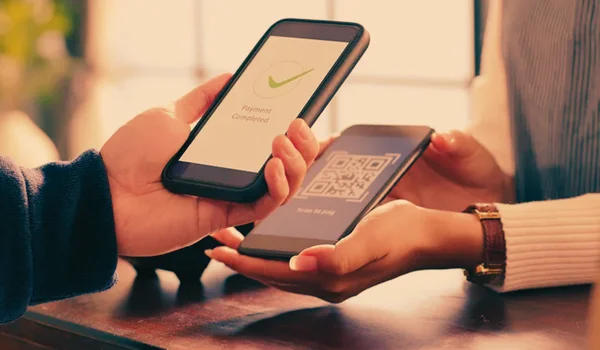
First, check your bank statement or payment application carefully. Make sure that the money was actually transferred to the wrong account and was not simply delayed.
Collect important transaction details, including:
- Transaction date and time
- Amount transferred
- Transaction reference number
- UTR number, if available
- Incorrect account number or UPI ID
- Name of the recipient shown during the transaction
- Bank or payment application used
Take a screenshot of the transaction confirmation and keep it for your records.
Contact Your Bank Immediately
Once you confirm that money has been sent to the wrong account, contact your bank without unnecessary delay.
Explain that you made an incorrect transfer and want to initiate the process for recovering the funds. Give the bank the transaction reference number, amount, date, and details of the incorrect transfer.
The bank may communicate with the receiving bank or financial institution to request a reversal or return of the money.
The sooner you report the mistake, the easier it may be for the relevant institutions to trace the transaction and take appropriate action.
Contact the Payment Application
If the payment was made through a digital payment application or UPI service, raise a complaint through the application’s payment-support or transaction-dispute section.
Select the relevant transaction and explain that the money was transferred to the wrong recipient.
Keep the complaint number or service-request number provided by the payment service. You may need it for future follow-ups.
Keep the UTR or Transaction Reference Number Safe
The transaction reference number is one of the most important pieces of information when trying to recover an incorrectly transferred amount.
It helps the bank identify the exact transaction in its records.
Keep the following information together:
- UTR or transaction ID
- Amount
- Date and time
- Sender account details
- Incorrect beneficiary details
- Bank complaint number
- Payment application complaint number
Having these details ready can make communication with customer support easier.
Understand That Recovery Is Not Always Automatic
A completed bank transfer generally cannot simply be cancelled like an unfinished transaction.
If the money has already reached another person’s account, the bank may need to contact the receiving bank and request that the amount be returned.
The process can depend on the circumstances of the transaction and the cooperation of the receiving account holder.
Therefore, reporting the mistake quickly is important.
Contact the Recipient If You Know Them
If you accidentally transferred money to someone you know, such as a customer, supplier, employee, friend, or family member, contact them directly and explain the mistake.
Ask them to return the amount through the appropriate banking channel.
Keep a written record of your communication so that there is a clear record of what happened.
Avoid sending additional money to “reverse” the transaction unless you are certain about what you are doing. The safest approach is usually to coordinate with the bank and the recipient.
What If the Wrong Recipient Is Unknown?
If the money went to an unknown person, do not try to locate or contact them through unreliable methods.
Instead, provide the transaction details to your bank or payment provider.
The bank can follow the appropriate process for communicating with the receiving institution. You should cooperate with any verification or documentation requirements requested by the bank.
Request a Formal Complaint
If the bank does not resolve the issue immediately, request a formal complaint or service-request number.
Ask the bank to explain:
- Whether the transaction can be recalled
- Whether the receiving bank has been contacted
- What information is required from you
- What the next step will be
- How you can track the complaint
Keep copies of emails, messages, screenshots, and other communication related to the case.
Follow Up Regularly
Recovery of an incorrectly transferred amount may not happen immediately.
Follow up with the bank using your complaint or service-request number. Ask whether the receiving bank has responded and whether any additional information is required.
Avoid making repeated complaints through different channels without keeping track of them. Maintaining one organized record can make the process easier to manage.
What If the Recipient Refuses to Return the Money?
The situation can become more complicated if the recipient refuses to return the amount.
Inform your bank about the refusal and ask what formal options are available.
Depending on the circumstances and amount involved, you may need to consider appropriate legal remedies. Keep all evidence, including transaction records and communications with the bank and recipient.
Do not threaten or harass the recipient. Follow the proper banking and legal process.
Be Careful About Recovery Scams
People who have accidentally transferred money can become targets for additional scams.
Someone may contact you claiming they can recover your money and ask for an upfront payment, OTP, UPI PIN, card details, or internet-banking credentials.
Do not share confidential banking information with unknown people.
Never approve an unexpected payment request simply because someone says it is required to receive your refund.
Use official communication channels when dealing with your bank or payment service.
Prevent Wrong Transfers in the Future
A few simple precautions can reduce the risk of sending money to the wrong account.
Before confirming a transaction:
- Check the beneficiary name carefully
- Verify the account number
- Check the IFSC when required
- Confirm the UPI ID
- Double-check the amount
- Avoid making payments in a hurry
- Save frequently used beneficiaries carefully
- Make a small test payment when appropriate for a new recipient
For large business payments, consider using an internal verification process before approving the transfer.
Maintain Proper Payment Records
Businesses and individuals should maintain transaction records for important payments.
Keep information such as the recipient’s name, account details, payment date, amount, invoice number, and transaction reference.
For businesses, having a payment verification system can reduce mistakes caused by manually entering bank details.
Before making large payments, confirm beneficiary information through a trusted communication channel rather than relying solely on a message containing bank details.
Conclusion
Sending money to the wrong bank account can be stressful, but acting quickly can help you begin the recovery process. First confirm the transaction, collect the UTR or transaction reference number, and immediately contact your bank or payment service.
The bank may need to coordinate with the receiving bank to request a return of the funds. Recovery is not always automatic, particularly when the money has already reached another person’s account, so keeping proper records and following up on your complaint is important.
Most importantly, avoid sharing confidential banking information with anyone promising a quick refund. In the future, carefully verify beneficiary details before confirming important transactions, especially when transferring large amounts.