
When a home has too many belongings, even simple daily activities can become difficult. Crowded cupboards, overflowing drawers, unused furniture, old clothes and piles of miscellaneous items can make a space feel disorganised. The problem is often not that the home is too small, but that there are more things than the available space can comfortably hold.
Decluttering does not mean throwing away everything or creating a completely empty home. It means deciding what you genuinely need, use or value and removing things that no longer serve a useful purpose. A simple and gradual approach can make the process much easier.
Start With One Small Area
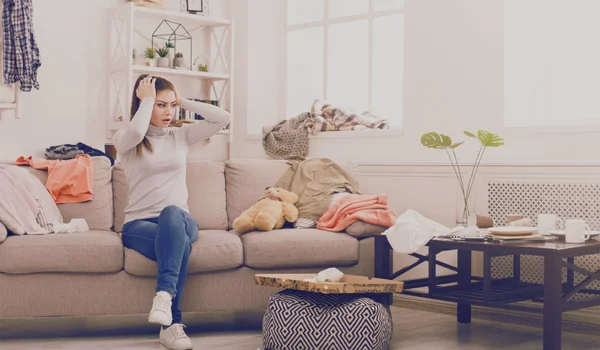
When your entire home feels cluttered, trying to organise everything at once can become overwhelming.
Instead, choose one small area. It could be a drawer, shelf, bedside table or part of a cupboard.
Finish that area before moving to another one. Completing a small section gives you visible progress and makes it easier to continue.
Once you become comfortable with the process, you can gradually move to larger areas.
Take Everything Out of the Selected Area
When organising a drawer or cupboard, remove the items instead of trying to sort them while they are still inside.
Place everything where you can see it. This helps you understand how much you actually own.
You may find duplicate items, things you forgot you had or belongings that you no longer use.
Seeing everything together can make decisions easier.
Create Simple Sorting Categories
You do not need a complicated organisation system.
Create a few basic groups such as:
- Keep
- Donate
- Sell
- Recycle
- Discard
- Decide later
The “decide later” category can be useful when you are genuinely unsure about an item. However, keep this category limited. Otherwise, it can become another place where clutter accumulates.
Ask Whether You Actually Use It
A simple question can help with many decluttering decisions: “Do I actually use this?”
If you have not used something for a long time and there is no clear reason to keep it, consider whether it deserves the space it occupies.
This does not mean every unused item should be discarded. Seasonal belongings, important documents, sentimental objects and emergency supplies may be used rarely but still have value.
The purpose is to identify unnecessary items rather than simply reducing the number of possessions.
Deal With Duplicate Items
Duplicate belongings are a common source of household clutter.
You may have several similar kitchen tools, extra containers, multiple bags, unused stationery or more clothing than you regularly wear.
Check whether you genuinely need multiple versions of the same item.
If you have several similar things but consistently use only one or two, consider donating or otherwise responsibly passing on the extras.
Use the One-Year Question Carefully
A common decluttering question is whether you have used an item in the last year.
This can be helpful, but it should not be treated as an absolute rule.
Some items are seasonal or used only for specific occasions. Important documents, tools, emergency equipment and sentimental belongings may not be used frequently.
Consider both how often you use something and why you keep it.
Be Careful With Sentimental Items
Sentimental belongings can be among the hardest things to declutter.
Old photographs, gifts, letters, childhood items and family belongings may have emotional value even when they have no practical purpose.
You do not have to discard sentimental objects simply because they are rarely used.
Instead, choose the items that are most meaningful and store them carefully. If you have a large collection, consider keeping a smaller selection and finding another appropriate way to preserve memories of the rest.
Organise Clothes by Actual Use
Clothing can quickly take over wardrobes.
Take out clothes that no longer fit, are uncomfortable, are badly damaged or have not been worn for a long time.
Keep clothing that you actually wear and that suits your current lifestyle.
Do not keep large amounts of clothing simply because you might wear something someday. At the same time, keep seasonal clothing and special-purpose items when they have a genuine use.
Declutter the Kitchen
Kitchens often contain duplicate utensils, containers, old appliances and items that are rarely used.
Check cupboards and drawers for things you have not used in a long time.
Pay particular attention to food containers and their lids. Matching and organising them can immediately create more space.
Dispose of expired or unusable food appropriately and review appliances that take up considerable space without being regularly used.
Clear Out the Bathroom
Bathrooms can accumulate old toiletries, empty containers and products that are no longer useful.
Check medicines and health-related products carefully before disposing of them, following appropriate disposal instructions.
Remove empty bottles, expired cosmetics and products you know you will not use.
Keep frequently used items accessible while storing less frequently used products separately.
Deal With Paper Clutter
Paper can make a home look cluttered very quickly.
Sort old bills, receipts, letters, manuals and other paperwork. Keep important records safely and discard unnecessary duplicates or outdated papers when appropriate.
Important documents should be stored separately from ordinary household paperwork.
A clear filing system can prevent paperwork from spreading across tables, drawers and shelves.
Avoid Buying Storage Before Decluttering
A common mistake is buying more boxes, baskets and organisers before deciding what actually needs to be kept.
Storage products can make a cluttered home look more organised temporarily while leaving the underlying problem unchanged.
Declutter first. Once you know what you are keeping, choose storage solutions based on the remaining items and the available space.
Give Everything You Keep a Place
After deciding what stays, assign each item a specific place.
For example, keep cleaning supplies together, important documents in one filing area and frequently used kitchen items where they are easy to reach.
When everything has a designated location, putting things away becomes easier.
If an item repeatedly ends up in random places, it may be a sign that its storage location is inconvenient or that the item is not needed.
Use the One-In, One-Out Rule
Once your home is organised, prevent new clutter from building up.
For certain categories, use a simple one-in, one-out rule. When you buy a new item, consider whether an old similar item can be donated, sold or otherwise removed.
This can work particularly well for clothing, shoes, kitchen equipment and other categories where people frequently accumulate duplicates.
Create a Daily Ten-Minute Decluttering Habit
You do not have to spend an entire weekend decluttering.
Set aside ten minutes each day to return items to their proper places or remove a few unnecessary things.
Small daily efforts can prevent clutter from becoming overwhelming again.
You can also choose one specific area each week for a slightly deeper clean.
Avoid Emotional Shopping
Decluttering is only half the solution. If new unnecessary items continue entering the home, clutter will return.
Before buying something, ask whether you genuinely need it, whether you already own something similar and where you will store it.
Avoid purchasing something simply because it is discounted. A low price does not make an unnecessary item useful.
Give Unwanted Items a Useful Next Home
Not everything you remove needs to go directly into the rubbish.
Items that are still in usable condition may be donated, sold or given to someone who needs them. Certain materials may be recyclable.
Choose the most appropriate option based on the item’s condition and local disposal facilities.
This can make the decluttering process feel more purposeful while reducing unnecessary waste.
Do Not Try to Finish Everything in One Day
A cluttered home usually takes time to become cluttered, so it does not need to be completely transformed in one afternoon.
If you become tired or frustrated, stop and continue another day.
The goal is to create lasting improvement, not to finish as quickly as possible.
Conclusion
Decluttering your home when you have too much stuff starts with small, practical decisions. Choose one area, sort the belongings into simple categories and decide what you genuinely use, need or value.
Pay special attention to duplicate items, unused clothing, kitchen clutter, paperwork and things that no longer have a clear purpose. Avoid buying storage products until you know what you actually need to keep.
Most importantly, create habits that prevent clutter from returning. A few minutes of organising each day, thoughtful shopping and giving every important item a designated place can help maintain a cleaner and more comfortable home over time.