
An unexpected increase in an insurance premium can be confusing, especially when you were expecting to pay roughly the same amount as before. Insurance premiums can change for several legitimate reasons, including changes in coverage, age, risk factors, claims history, taxes, policy terms, or pricing decisions by the insurer.
However, a sudden increase should not simply be accepted without understanding the reason. Before paying the revised premium or cancelling the policy, check the policy details, ask the insurer for an explanation, and compare the new premium with the coverage being offered.
Check the New Premium Carefully
Start by comparing the latest premium notice with your previous policy document or renewal notice.
Check whether the increase is due to:
- Higher base premium
- Change in coverage
- Addition of optional benefits
- Change in deductible
- Change in insured amount
- Applicable taxes or charges
- Change in policy terms
- Age-related pricing
- Claims or risk-related factors
- Other pricing or underwriting changes
Make sure you are comparing similar coverage. A higher premium may sometimes be accompanied by increased coverage or additional benefits.
Read the Renewal Notice
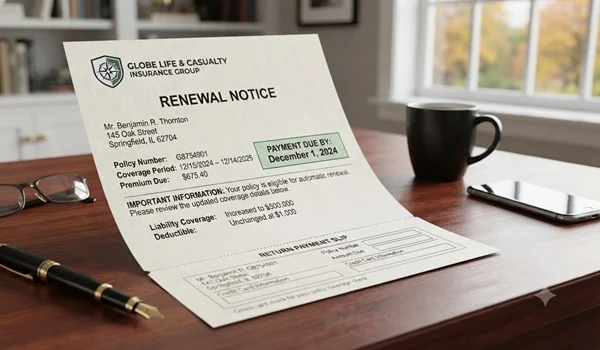
If the increase occurred at renewal, carefully read the renewal communication sent by the insurance company.
The insurer may provide information about the revised premium, coverage, policy conditions, or other changes.
Do not look only at the final amount. Compare the details of the old and new policy to understand what has changed.
Ask the Insurance Company for an Explanation
If the reason is not clear, contact the insurer through its official customer-service channel.
Ask specific questions such as:
- Why has my premium increased?
- Which part of the premium has changed?
- Has my coverage changed?
- Have any optional benefits been added?
- Has the insured amount changed?
- Are taxes or other charges responsible for the difference?
- Does my claims history affect the revised premium?
- Can you provide a revised premium breakdown?
Ask for important explanations in writing so that you have a record of the communication.
Check Whether Your Coverage Has Changed
Sometimes a premium increase is connected to a change in coverage rather than simply an increase in price.
For example, the insured amount, additional benefits, geographical coverage, or other policy features may have changed.
Compare the old and new policy documents carefully. If you did not request a particular change, ask the insurer why it appears in the renewed policy.
Check for Optional Add-Ons
Insurance policies can sometimes include optional features or add-ons that increase the premium.
Review your policy schedule and renewal details to determine whether any additional coverage has been included.
If an add-on was added incorrectly or is not required, ask the insurer whether it can be removed and whether doing so will reduce the premium.
Do not remove an important benefit simply to reduce the premium without understanding what protection you would lose.
Check Your Claims History
For some types of insurance, previous claims may affect future pricing. If you recently made a claim, ask whether it has affected the renewal premium.
Make sure the insurer’s claim information is accurate. If you believe a claim has been incorrectly recorded against your policy, ask for the records to be reviewed.
Keep supporting documents if you need to dispute an incorrect claim history.
Check Your Policy Details
Incorrect information can sometimes affect the premium. Review details such as:
- Personal information
- Address
- Vehicle information
- Occupation, where relevant
- Property details
- Coverage amount
- Previous policy information
If you find an error, notify the insurer and request a correction. Ask whether correcting the information changes the premium calculation.
Ask for a Premium Breakdown
If the increase is substantial or difficult to understand, request a detailed premium calculation from the insurer.
A breakdown can help you determine whether the increase comes from the basic premium, additional coverage, taxes, charges, or another factor.
Once you know what changed, you can make a more informed decision about whether to continue with the policy or consider other options.
Compare Alternative Policies
If the revised premium is too high for your budget, compare other insurance policies with similar coverage.
Do not compare only the premium amount. Look at:
- Coverage limits
- Exclusions
- Deductibles
- Waiting periods
- Claim procedures
- Network facilities, where applicable
- Renewal conditions
- Optional benefits
- Other policy restrictions
A cheaper policy may provide less coverage or have different conditions, so the overall terms are important.
Consider Adjusting Your Coverage Carefully
Depending on the insurance product, you may be able to modify certain coverage features to reduce the premium.
For example, some policies may allow changes to optional benefits, deductibles, or coverage amounts.
Before making a change, ask the insurer how it will affect your protection. A lower premium can also mean higher out-of-pocket costs or reduced benefits when you make a claim.
Check Whether You Have a Renewal Deadline
Insurance policies generally have specific renewal periods. If you are considering alternatives, do not allow the existing policy to expire accidentally without understanding the consequences.
Check the renewal date and any applicable grace period. If continuous coverage is important for your type of insurance, plan the transition carefully.
Do Not Ignore a Premium Increase
Ignoring the revised premium can create problems. Depending on the type of insurance, failure to pay the required amount may result in lapse, cancellation, or loss of coverage.
If you disagree with the increase, contact the insurer before the payment or renewal deadline and ask for an explanation.
If the increase appears to be based on incorrect information, request correction before making a final decision.
Raise a Formal Complaint If Necessary
If you believe the premium has been increased incorrectly or the insurer has not properly explained the change, use the company’s formal grievance process.
Provide:
- Policy number
- Previous premium details
- New premium details
- Renewal communication
- Relevant policy documents
- Your written explanation
- Previous correspondence with the insurer
Keep the complaint reference number and copies of all responses.
Consider Professional Advice for Complex Policies
For complicated or high-value insurance policies, professional advice may help you understand the financial consequences of changing or cancelling coverage.
A qualified insurance adviser or legal professional can help explain policy terms, premium changes, and available options.
This can be particularly useful when the policy involves significant financial protection or complicated contractual conditions.
Keep Records of the Premium Change
Save the old policy document, new renewal notice, premium receipts, emails, and written explanations from the insurer.
Maintaining a record makes it easier to compare premiums over time and identify whether future changes are based on new circumstances or an error.
Conclusion
A sudden increase in an insurance premium does not necessarily mean that there is an error, but it is reasonable to understand why the price has changed. Start by comparing the old and new policy documents and checking whether the coverage, insured amount, add-ons, claims history, or other details have changed.
Ask the insurer for a clear premium breakdown and correct any inaccurate information. If the revised premium is not suitable, compare alternative policies based on coverage and terms rather than price alone.
Most importantly, do not allow the policy to lapse accidentally while you are investigating the increase. Keep track of renewal deadlines, maintain written records, and use the insurer’s formal grievance process if your concerns are not properly addressed.