
Receiving repeated loan recovery calls and messages can be stressful, especially when the communication is about a loan that you have already repaid, does not belong to you, or involves disputed dues. Borrowers may also receive calls from recovery agents when there is a genuine outstanding amount, but the communication should still follow applicable rules and the lender’s established grievance process.
The best way to handle unwanted recovery communication is to first identify the reason for the calls, keep proper records, communicate with the lender through official channels, and escalate the matter if it is not resolved.
Find Out Why You Are Receiving the Calls
Before trying to block every number, determine why the lender or recovery agency is contacting you.
The calls may relate to:
- An unpaid EMI
- An overdue loan
- A disputed payment
- A loan that has already been repaid
- An incorrect loan account
- A loan belonging to another person
- A mistake in the lender’s records
- A recovery agency contacting you on behalf of a lender
Ask the caller for the lender’s name, loan account reference, and reason for contacting you. Do not provide sensitive banking information simply because someone claims to be a recovery agent.
Check Your Loan Account
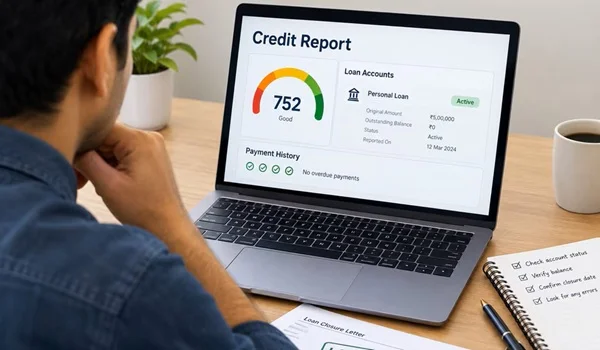
If the loan belongs to you, check your loan statement or online account to determine whether there is actually an outstanding amount.
Look for:
- Outstanding principal
- Unpaid EMI
- Overdue amount
- Late-payment charges
- Payment history
- Recent transactions
- Loan account status
If you have already paid the amount being demanded, collect your payment receipt and bank statement before contacting the lender.
Contact the Lender Directly
Use the lender’s official customer-care number, branch, website, or mobile application rather than relying only on the recovery agent’s contact details.
Explain that you are receiving repeated recovery calls and ask the lender to verify the account.
If the loan has already been paid, provide the relevant payment details and request that the records be corrected.
If the debt is genuinely outstanding, ask the lender for a written statement showing the amount due and the reason for the outstanding balance.
Ask for Written Communication
If repeated telephone calls are becoming difficult to manage, ask the lender to provide details of the outstanding amount and complaint response through an official written channel.
Written communication gives you a record of:
- What was demanded
- Which loan account was mentioned
- When you complained
- What the lender or recovery agency replied
- What resolution was promised
This can be particularly useful if the matter later needs to be escalated.
Keep a Record of Recovery Calls and Messages
Maintain a simple record whenever you receive unwanted recovery communication.
Note:
- Date and time
- Phone number
- Name of caller, if provided
- Lender or agency name
- Loan account mentioned
- Nature of the communication
- Any threats or inappropriate language
- SMS or message received
Save relevant messages and other communication.
If you receive a large number of calls, keeping a call log can help demonstrate the frequency of the contact when making a formal complaint.
Do Not Share Sensitive Banking Information
A genuine recovery process does not mean you should provide confidential banking credentials to an unknown caller.
Do not share:
- OTPs
- ATM or debit-card PINs
- Internet-banking passwords
- UPI PINs
- Card security codes
- Passwords
If you need to make a payment, use the lender’s verified payment channel rather than sending money to an account or payment address supplied unexpectedly by an unknown caller.
If the Loan Does Not Belong to You
If you are being contacted about a loan that you never took, clearly tell the lender that you dispute the account.
Ask the lender to investigate why your phone number or personal details are associated with that loan.
You can also check your credit report for unfamiliar loan accounts or enquiries. If an account that does not belong to you appears there, raise the appropriate dispute with the lender and credit-reporting institution.
Do not accept responsibility for a loan simply because a recovery agent repeatedly claims that you owe the money.
If You Have Already Repaid the Loan
If your loan has been fully repaid, provide the lender with proof of repayment.
Useful documents include:
- Final loan statement
- Payment receipt
- Bank statement
- No Dues Certificate
- Loan closure letter
- Transaction reference number
Ask the lender to confirm that the loan account has been closed and that recovery instructions have been withdrawn.
If a recovery agency continues contacting you after the lender confirms that the account is closed, provide the lender with details of those calls and request further investigation.
If the Calls Become Harassing or Abusive
Recovery communication should not become a reason for abusive or threatening behaviour.
If you receive inappropriate communication, document it carefully.
Record the date, time, caller details, and what was said. Preserve messages and other available evidence.
Tell the lender that you want the matter handled through its formal grievance process and that you are keeping records of the communication.
Avoid getting into prolonged arguments with individual callers. Communicating with the lender’s official grievance team can create a clearer record.
Use Your Phone’s Blocking Features
Once you have documented the relevant calls, you can use your phone’s built-in call-blocking or spam-filtering features for unwanted numbers.
You can also mute or filter unwanted messages where your device supports these features.
However, blocking a number does not resolve an actual loan dispute. If you genuinely owe money, continue communicating with the lender through its official channels.
The purpose of blocking should be to manage unwanted communication, not to avoid a legitimate financial obligation.
Escalate the Complaint
If contacting customer service does not solve the problem, use the lender’s formal grievance-redressal mechanism.
Submit a clear complaint containing:
- Loan account number, if known
- Dates of the recovery calls
- Phone numbers used
- Details of the messages received
- Payment or closure evidence, if relevant
- Previous complaint reference numbers
- The resolution you are requesting
Keep the complaint acknowledgement and reference number.
If the lender does not resolve a complaint through its internal process, you can consider the applicable external financial grievance mechanism available for that lender and type of complaint.
Be Careful With Recovery Scams
Not every person claiming to be a recovery agent is necessarily authorized by the lender.
Be cautious if someone:
- Demands immediate payment to a personal account
- Requests an OTP or UPI PIN
- Refuses to provide basic loan information
- Uses threats to force payment
- Claims that police will immediately arrest you unless you pay
- Sends suspicious payment links
- Demands payment without identifying the underlying loan
Verify the debt directly with the lender before making any payment.
What If the Calls Are for Someone Else?
Sometimes a phone number may previously have belonged to another person, or a borrower may have accidentally provided the wrong contact number.
Tell the lender that you are not the borrower and request that your number be removed from the relevant contact records, subject to the lender’s verification process.
Keep a record of your request. If calls continue, refer to your previous complaint when escalating the matter.
Do Not Ignore a Genuine Outstanding Loan
Stopping unwanted calls does not eliminate an actual loan obligation.
If you genuinely have an unpaid EMI, contact the lender and ask about the outstanding amount, repayment options, and applicable charges.
Ignoring a legitimate overdue loan can lead to additional financial consequences and may affect your credit history.
The objective should be to resolve the underlying account while ensuring that recovery communication remains appropriate.
Final Thoughts
Unwanted loan recovery calls and messages should be handled systematically. First determine whether the debt is genuine, check your loan records, and contact the lender through an official channel. If the loan has already been paid or does not belong to you, provide supporting evidence and ask the lender to correct its records.
Keep detailed records of repeated calls and messages, avoid sharing confidential banking information with unknown callers, and use your phone’s blocking features where appropriate. If the lender does not resolve the matter, use its formal grievance process and retain all complaint records.
If the debt is genuine, focus on resolving the outstanding amount rather than simply blocking communication. If the debt is incorrect or already settled, maintain proper documentation and continue pursuing correction through the appropriate channels.